
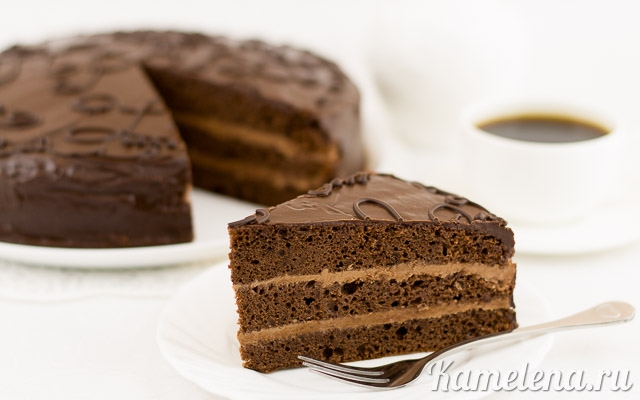
By popular request from my dear readers, I'm sharing the recipe for the legendary Prague Cake. It was one of the most beloved cakes in Soviet times — lines were always long, and getting one for a holiday was a real stroke of luck. Prague Cake has a deeply rich chocolate flavor in both the layers and the cream; it's sweet but not overly so, and very satisfying. A slice of Prague Cake is pure heaven for any chocoholic! I'm sharing the classic GOST recipe. Traditionally, the layers weren't soaked, since fresh cake layers are already quite moist on their own. However, I added a sugar syrup and brandy soak because I love well-soaked cakes. I recommend doing the same — especially if you enjoy a moist cake, or if you suspect your sponge didn't turn out quite right (too dry or dense). Peach jam can be used instead of apricot jam. Of course, good-quality butter (preferably 82% fat), quality cocoa powder, and real condensed milk are essential for this cake. Good luck — you've got this!
Ingredients:
- Cake layers:
- 6 eggs
- 150 g sugar
- 110 g flour
- 30 g cocoa
- 30 g butter
- Soak (optional):
- 70 g sugar + 100 g water + 1-2 tbsp. brandy
- Cream:
- 200 g butter
- 120 g condensed milk
- 10 g cocoa
- 1 egg yolk
- 1 packet vanilla sugar (10 g)
- Glaze:
- 70 g chocolate (I used 56%)
- 50 g butter
- 50 g apricot jam or preserves (under the glaze)
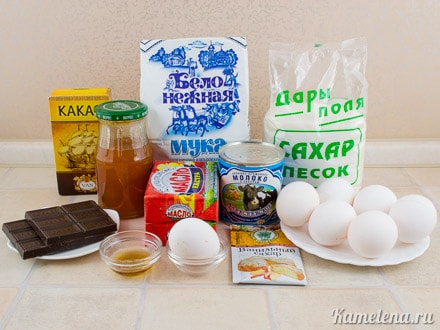
How to cook Prague cake
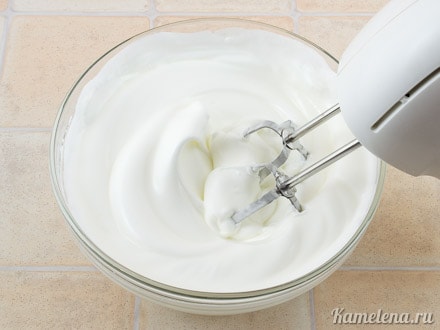
Make the sponge. Separate the eggs into whites and yolks. Beat the egg whites until stiff peaks form, gradually adding half the sugar. Beat for at least 7–10 minutes, or longer depending on your mixer's power. A reminder: use clean, dry beaters in a perfectly clean and dry bowl.
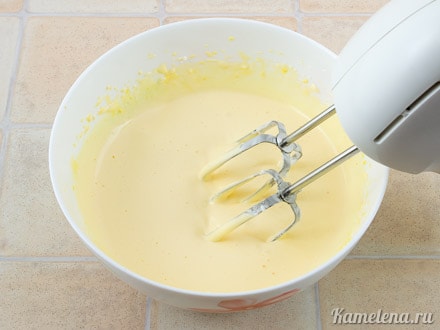
In a separate bowl, beat the egg yolks, gradually adding the remaining sugar. Beat thoroughly for a good amount of time — the mixture should become noticeably lighter in color and increase significantly in volume.
Fold the beaten whites into the yolk mixture in batches, gently incorporating them with upward folding motions, as if folding them inward.
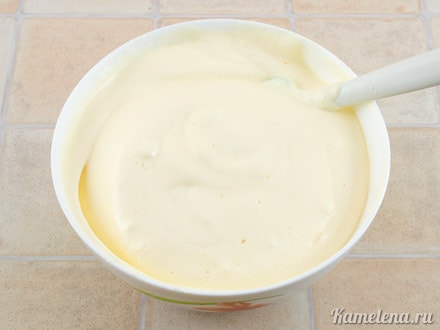
Sift the flour and cocoa together. Add the dry mixture to the beaten egg mixture in batches, each time folding it in gently from the bottom up. Work carefully to avoid deflating the air bubbles in the batter.
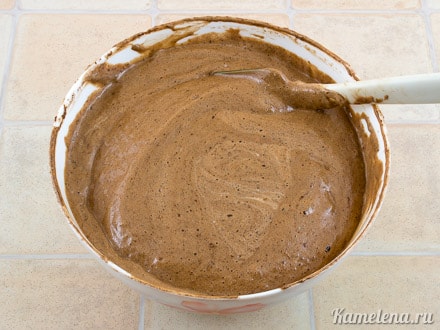
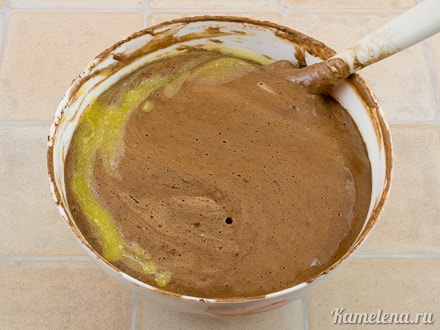
Melt the butter in advance and let it cool (I melt mine in the microwave). Gently pour the butter in along the edge of the bowl and fold it in carefully from the bottom up.
Prepare your pan (mine is 22 cm in diameter) — grease only the bottom, not the sides. As the sponge rises, it will cling to the sides of the pan, which helps it hold its shape (butter sponges can be quite finicky). Bake in an oven preheated to 200°C (390°F) for about 30 minutes, or until a toothpick inserted in the center comes out clean.
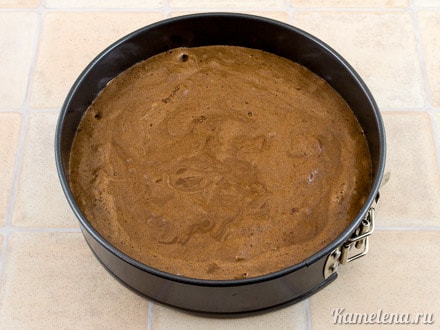
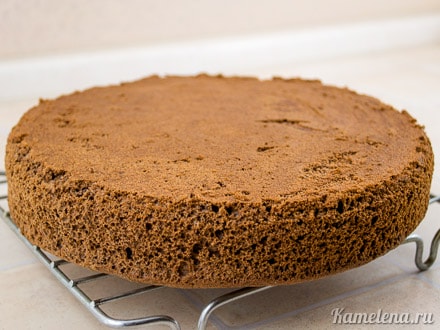
As soon as you take the sponge out of the oven, immediately flip the pan upside down and set it on a wire rack to cool completely. This method also helps the sponge hold its shape well. Once cooled, unclasp the pan, turn the sponge out bottom side up, and let it rest for about 8 hours. A rested sponge has better texture — it becomes springier and slices more cleanly. If you plan to assemble the cake more than 8 hours later, wrap the sponge tightly in a couple layers of plastic wrap; it will keep just fine for a day or two.
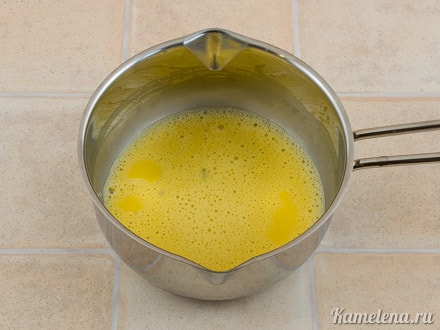
Make the cream. Place the egg yolk in a small heavy-bottomed saucepan, add one tablespoon of water, and stir well.
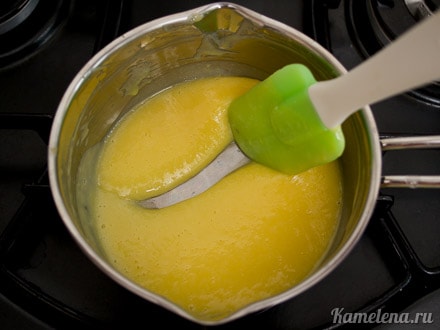
Add the condensed milk and vanilla sugar, stir to combine, and place over heat. Cook over slightly below medium heat, stirring constantly — especially along the bottom. Cook until the mixture thickens slightly. If you run your finger across the back of a spoon coated in the syrup and a clear line remains, it's ready. Be careful not to let the egg yolk curdle. Let the finished syrup cool completely.
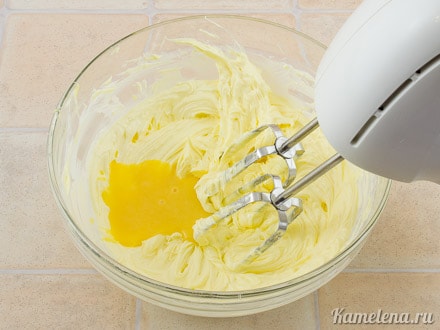
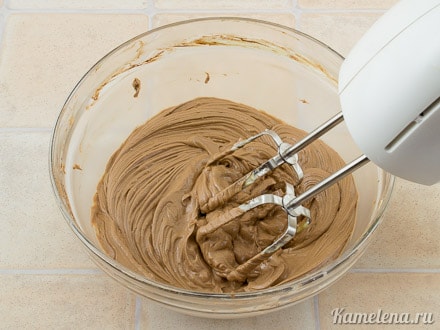
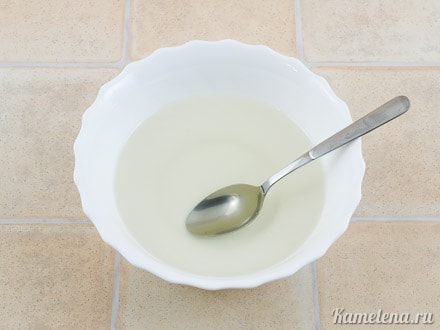
Prepare the soak. Dissolve the sugar in hot water, stir, and let it cool completely. Then add the brandy — or substitute another alcohol of your choice, or skip it altogether.
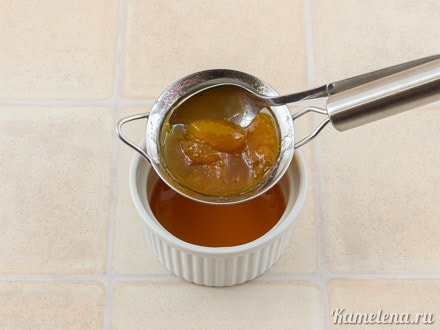
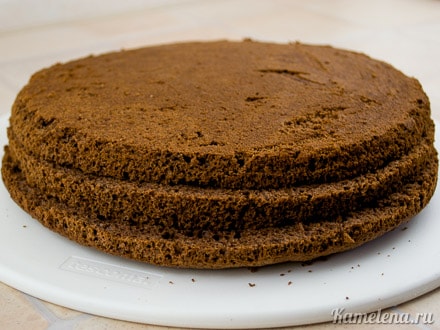
Place the first layer on a plate (the one that was on top during baking). Evenly brush it with about one-third of the soak.
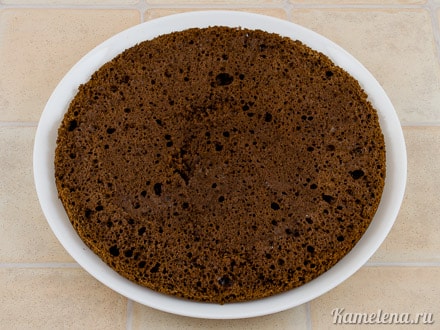
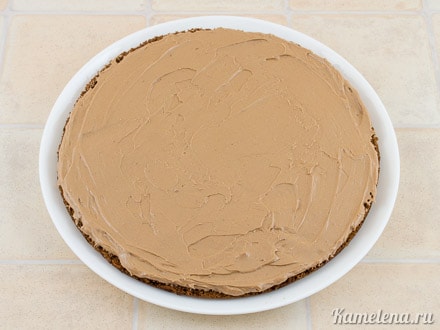
Place the second layer on top, brush it with soak, and cover it with the remaining half of the cream.
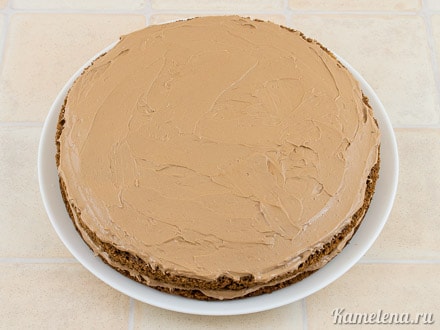
Place the final layer on top and brush it with the remaining soak. Spread the apricot jam over the top and sides of the cake. Refrigerate for about 20–30 minutes to let the jam set.
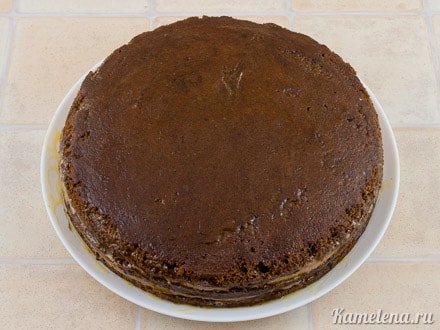
Break the chocolate into small pieces, add the butter cubes, and melt together until smooth in a double boiler or microwave. Let the glaze cool slightly, then coat the entire cake on all sides.
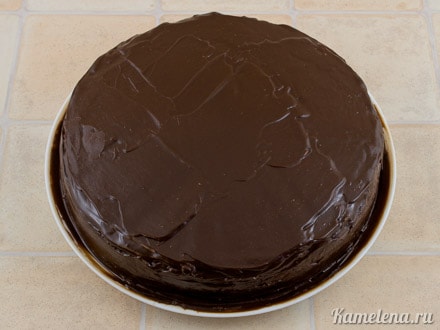
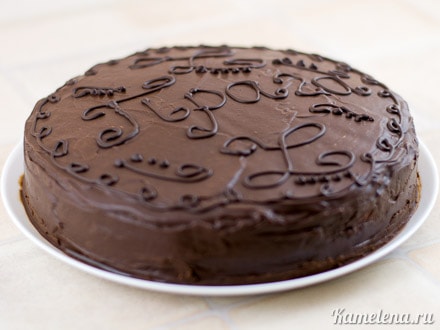
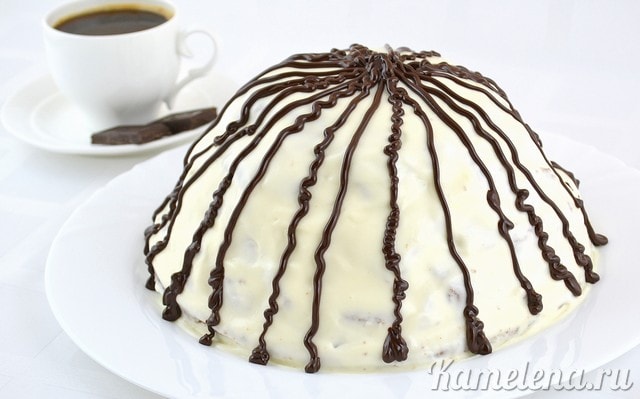
Once the glaze has fully set, you can add a decorative inscription or design if you like. I melted the remaining 30 g of chocolate, placed it in a small zip-lock bag, snipped off a tiny corner, and piped a design onto the cake. Alternatively, you can make a little extra cream from the start and use a piping bag to decorate the cake so it looks like one from a bakery. Refrigerate the cake for several hours or overnight to allow it to soak through.
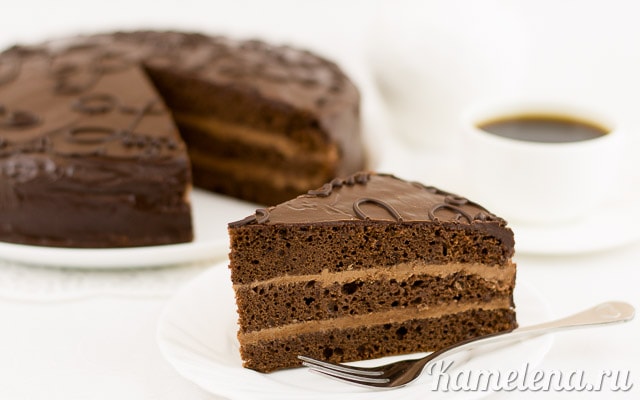
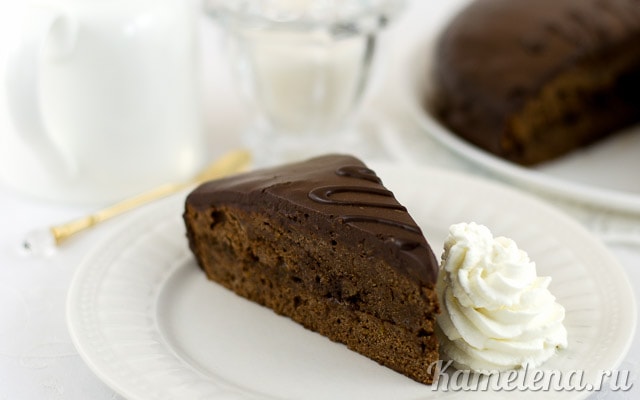
And here's a gorgeous slice! Leftover cake is best stored wrapped in plastic wrap — it will stay fresh, soft, and fragrant much longer. Prague Cake has an incredibly rich chocolate flavor with a subtle hint of cocoa bitterness, and a lovely vanilla-chocolate aroma. Treat yourself, your family, or your guests to this legendary classic!
Comments