

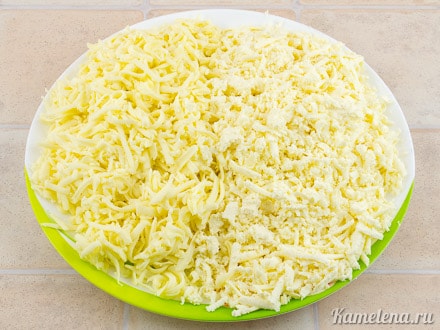
Khachapuri is a dish that originated in Georgia — there is no single definitive recipe. Some are round, like Megrelian or Imeretian khachapuri, and some are Adjarian-style, typically shaped like a boat. It's the boat-shaped version I'm bringing you today. The dough is a fairly simple yeasted dough — no enrichment needed — and it comes together very easily, no sponge starter or anything like that. Traditionally, young Imeretian cheese is used for the filling, but outside of Georgia that cheese is hard to find. Sulguni is a common substitute, but I prefer a different approach: equal parts sulguni and Adyghe cheese. This makes the filling much closer to the traditional flavor, and in my opinion it's far tastier than using sulguni alone — the combination of these two cheeses gives exactly that creamy, cottage-cheese-meets-fresh-cheese taste. It's also a better balance saltiness-wise, since sulguni on its own is quite salty and you can't use too much of it, yet the filling really needs a generous amount of cheese!)) I made 4 khachapuri, and they come out pretty large.
Ingredients:
- 400 g flour
- 150 ml water
- 100 ml milk
- 2 tbsp vegetable oil
- 2 tsp sugar
- 1 tsp salt
- 1 tsp dry yeast
- 1 egg (for brushing)
- Filling:
- 250 g sulguni (Georgian string cheese)
- 250 g Adyghe cheese
- 100 g butter
- 4 eggs (or egg yolks)

How to cook Adjarian khachapuri
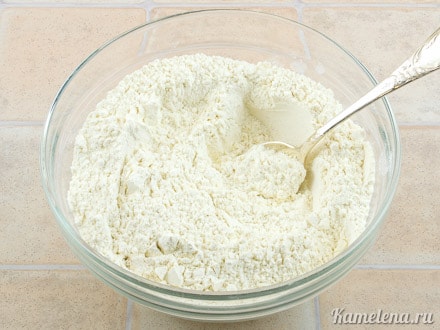
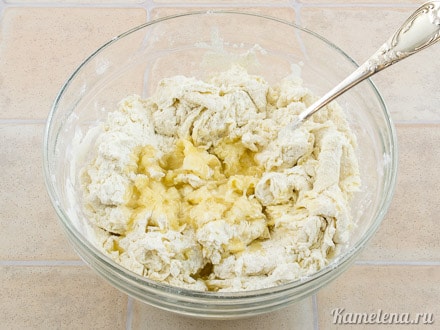
Gradually pour in the water and milk (you can warm them slightly — just until they feel barely warm to the touch). By the way, if you don't have milk on hand, water works just fine as a substitute. Stir vigorously with a spoon and begin kneading. Add the oil and mix it in.
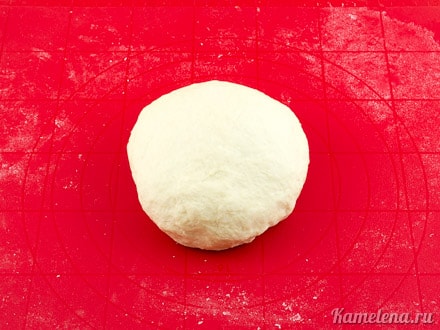
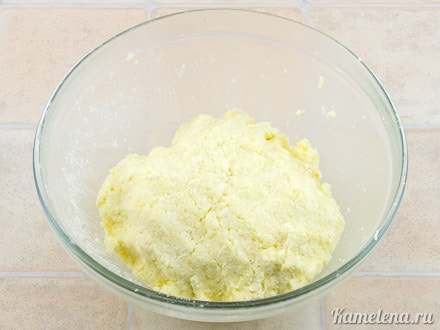
Turn the dough out onto a work surface (dusting with flour if needed). Continue kneading thoroughly on the counter for at least 5–7 minutes. The dough should stop sticking to your hands and become soft and pliable.
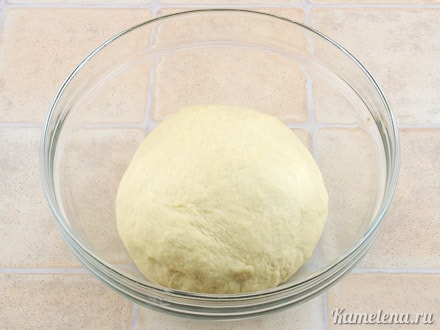
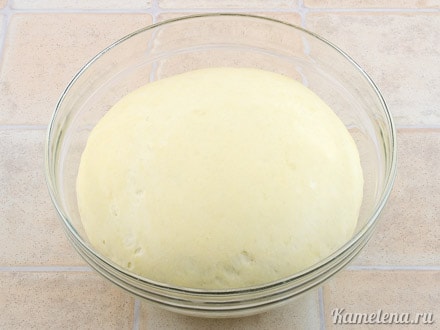
Return the dough to the bowl and place it somewhere warm to rise — either in a pot of warm water or in a slightly warm oven (turn the oven on for just a couple of minutes, then turn it off immediately).
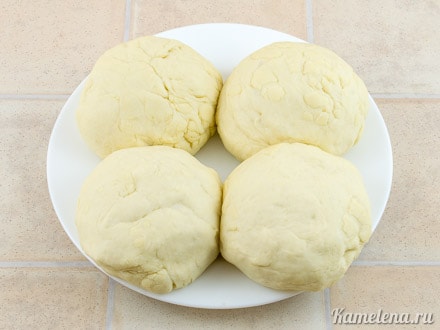
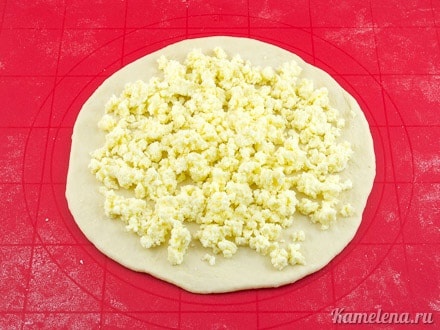
Shape the khachapuri. Roll each portion of dough into a circle (I rolled mine to about 23 cm). Spread the filling over the dough, leaving about 1 cm around the edges.
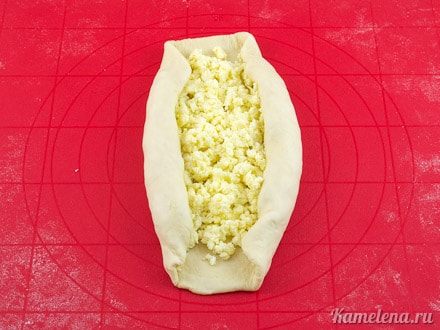
Pinch the ends together to form a boat shape. I've seen recipes where the sides are simply rolled up and filling is placed in the center on top, but that's not the way to go. For the borders to be truly delicious, they need to have filling inside them too. This is important!
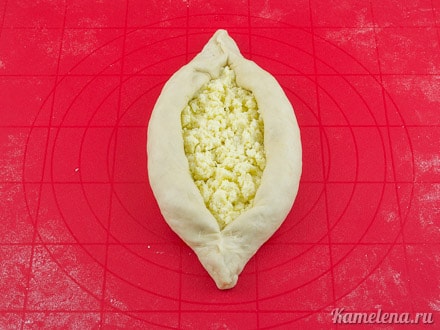
Carefully transfer the khachapuri to a baking sheet. I fit 2 on a standard sheet pan. Brush with a lightly beaten egg. Bake in an oven preheated to 200°C for approximately 15–25 minutes.
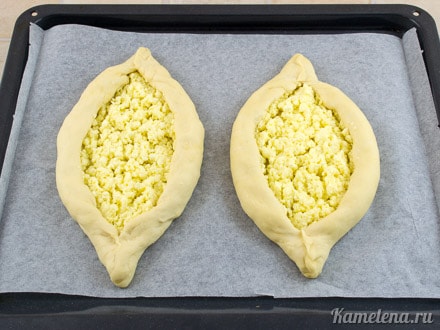
Then crack one egg into the center of each khachapuri. A whole egg seemed like too much to me, so I let some of the white fall into a bowl and used just the rest on the khachapuri. It's best to use small eggs, or you can use just the yolks.
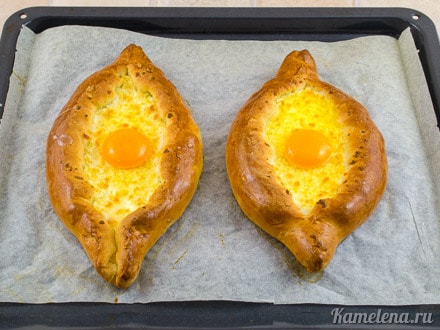
Return to the oven for 3–5 minutes — just long enough for the white to barely set while the yolk stays runny. Done. Serve hot!
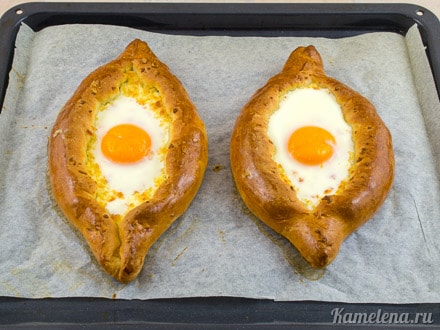
Khachapuri is meant to be eaten by tearing off pieces from the corners and dipping them into the yolk. On a side note, the next day I reheated the leftover khachapuri in the microwave until piping hot, and they were every bit as good as they were fresh out of the oven. Adjarian khachapuri is absolutely delicious — I highly recommend giving it a try!


Comments