
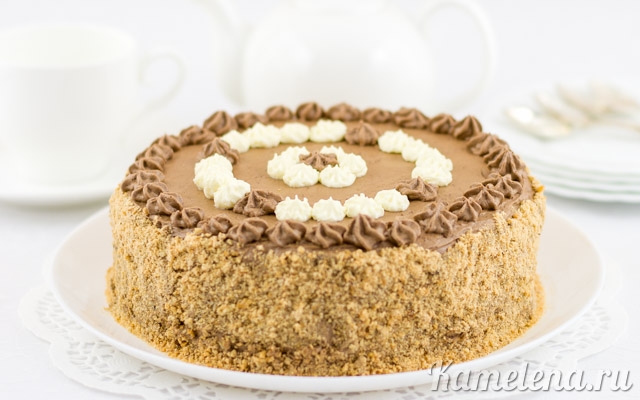
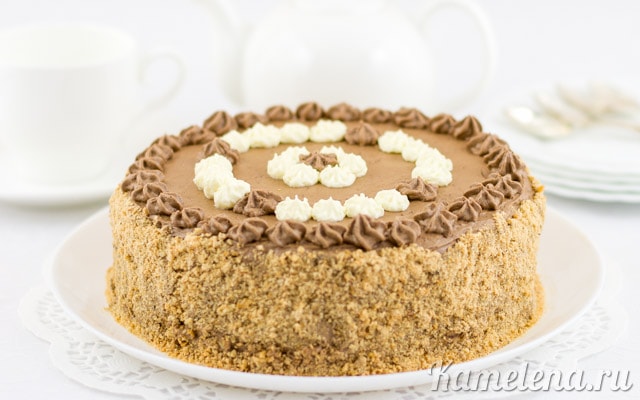
By popular request from my dear readers, I'm sharing a recipe for the classic Kyiv Cake. This legendary cake is made up of light, crispy nut meringue layers and a buttercream enriched with cognac and cocoa. The result is a sweet, buttery, delicate, crumbly, quite rich, and absolutely delicious cake. To make the layers, the egg whites need to be aged first — meaning left in a warm place for 24 hours (or at least 12 hours). This is how the recipe goes according to the original standard; as I understand it, aging helps the whites whip up more easily and produces a fluffier, more stable meringue. Originally, Kyiv Cake was made with cashews, but versions with hazelnuts and peanuts have since become popular. In my opinion, the tastiest version uses hazelnuts, since they have such a distinctively rich flavor. That said, you can use whichever nut you prefer, or even try a mix. Since eggs vary in size, when you separate the whites, weigh them — you need 220 g total. By my calculation, that's 6 large eggs (grade C0), or you may need an extra white if your eggs are on the smaller side. Overall, Kyiv Cake is relatively straightforward to make, and the ingredients are completely accessible. That makes it a great reason to treat your loved ones — and yourself, of course — to this beloved classic.
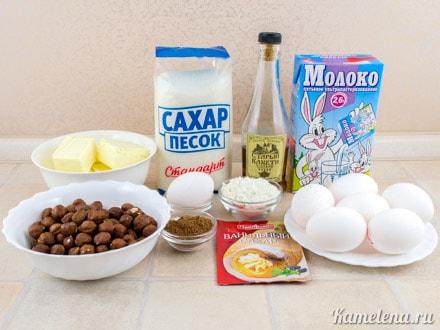
Ingredients:
- Layers:
- 220 g egg whites (≈6 egg whites)
- 250 g sugar
- 150 g nuts (hazelnuts, cashews, or peanuts)
- 50 g flour
- 1 tsp vanilla sugar
- Cream:
- 200 g butter
- 180 g sugar
- 150 ml milk
- 1 egg
- 1 tbsp cognac
- 1 heaping tbsp cocoa
- 1 tsp vanilla sugar
How to cook Kyiv cake
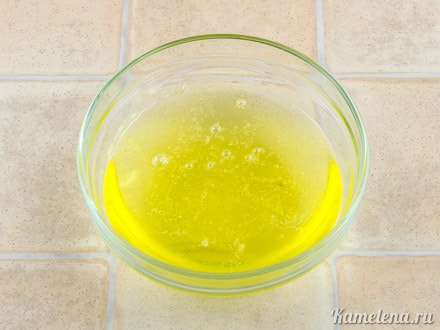
Place the egg whites in a bowl and leave them in a warm spot — or at least at room temperature — for 12 to 24 hours. I set mine on the windowsill, where they got a bit of sun from time to time. After aging, you should see a few small bubbles inside and a couple of larger ones on the surface.
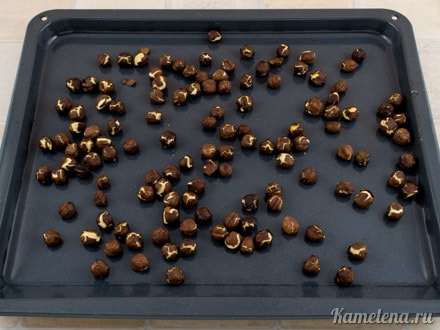
Prepare the nuts. I prefer to buy raw hazelnuts and toast them myself in the oven. Pre-roasted nuts tend to go stale much faster, so there's a good chance you'll end up with rancid, poor-quality ones from the store. I'd recommend grabbing a little extra — about 200 g of hazelnuts. Spread the hazelnuts on a baking sheet and place in an oven preheated to 200°C (400°F). Toast for 5 to 10 minutes (I toasted mine for 8 minutes). Keep a close eye on them, as nuts can burn quickly. When the skins are well cracked and darkened, they're ready. Let the nuts cool, then rub off the skins. Check for any bad, very dark ones and discard them.
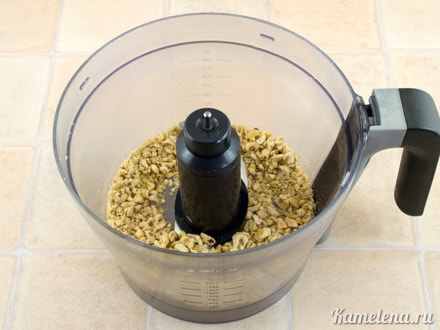
Chop the nuts, but not too finely. I like biting into whole hazelnuts in the finished cake, so I left a third of them whole and chopped the rest.
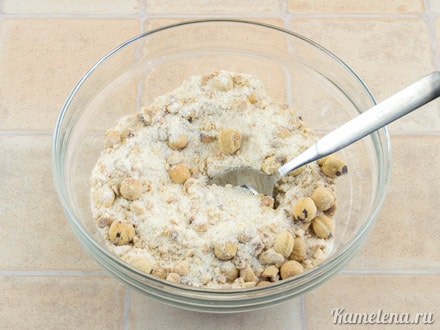
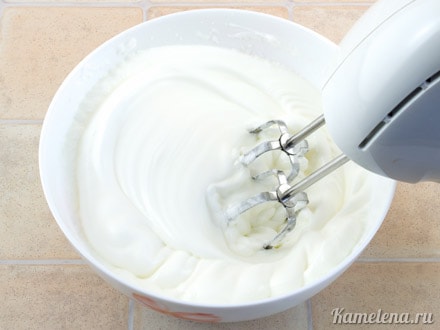
Beat the egg whites thoroughly until stiff and fluffy, at least 7 to 10 minutes, gradually adding the remaining 50 g of sugar and the vanilla sugar.
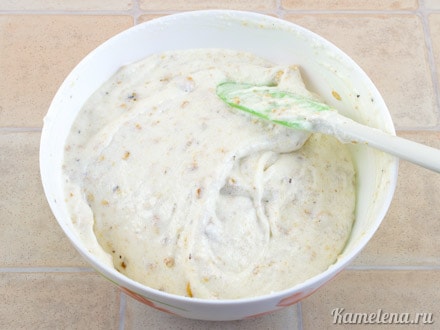
Fold the nut mixture into the beaten egg whites in batches, gently folding it in with a spatula using bottom-to-top strokes.
You'll need to bake two layers from the batter. I used two pans, one 22 cm and one 20 cm in diameter. Line the pans with parchment paper (I brush the pans with a thin layer of butter to help the paper stick). This way I baked both layers at the same time. If you don't have two similarly sized pans, bake them one at a time. But since the layers take quite a long time to bake, the remaining batter will deflate while you wait — so be sure to prepare only half the batter for the first layer, then mix the second half fresh. Divide the batter between the pans. If your pans are different sizes, put a little more batter in the larger one so both layers end up the same thickness.
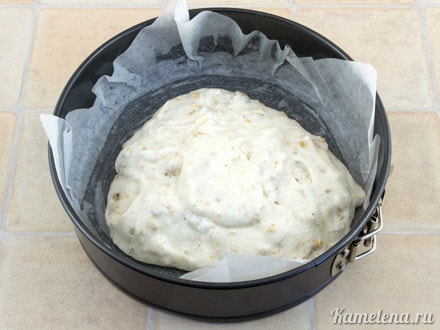
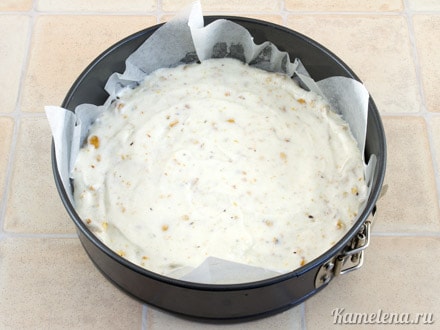
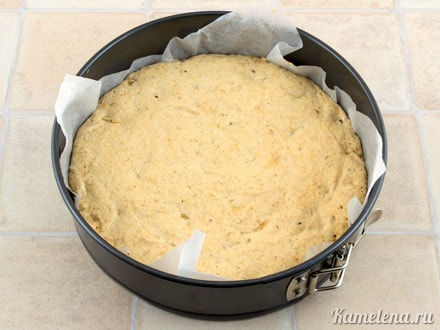
Gently smooth the batter in the pans with a spatula. Place in an oven preheated to 150°C (300°F). Bake the meringue layers for approximately 1.5 to 2.5 hours — the time varies greatly depending on your oven; I baked mine for 2 hours and 20 minutes. If the layers are underbaked, the centers will be sticky; if overbaked, they can turn out very dry and hard.
Let the finished layers rest for 12 to 24 hours to firm up their structure. Then carefully peel them away from the parchment.
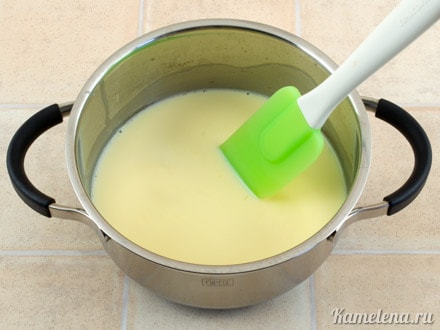
Add the sugar and vanilla sugar and stir to combine. Place over heat and cook, stirring constantly with a spatula, until the mixture thickens slightly.
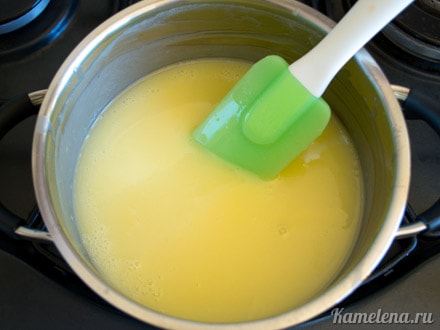
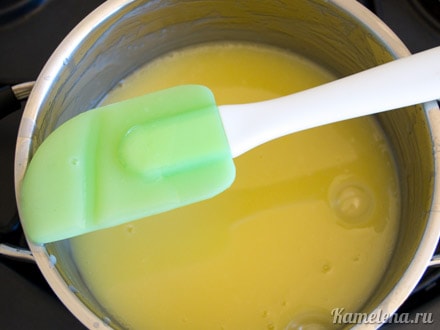
The syrup is ready when you run your finger across the spatula and a clean line remains. Let the syrup cool completely.
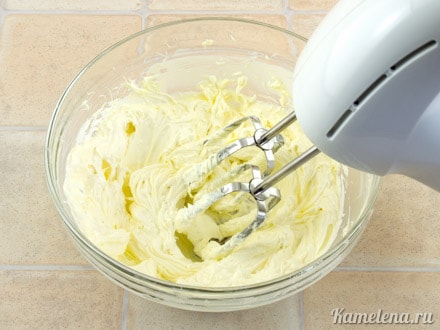
Beat the butter until noticeably lighter and fluffy, adding the cognac as you go. The butter should be at room temperature and soft (take it out of the refrigerator ahead of time).
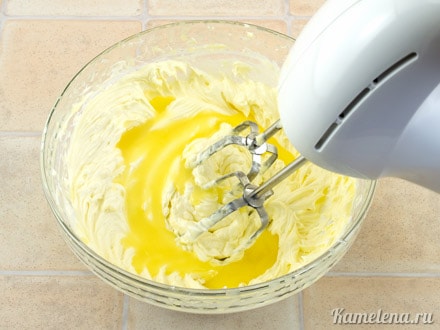
Gradually add all of the cooled syrup to the butter, 2 to 3 tablespoons at a time, beating until smooth after each addition.
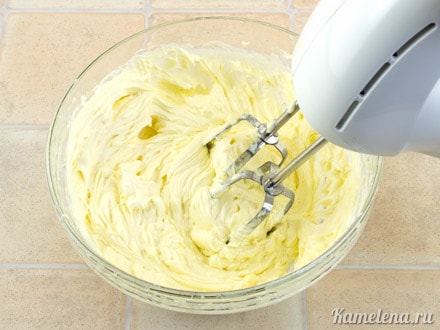
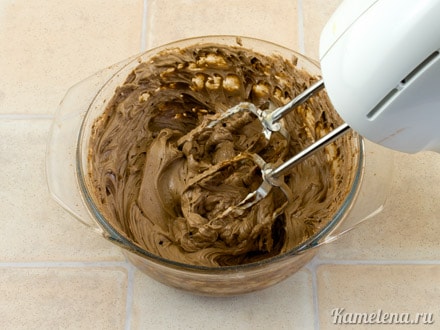
Set aside about one-third of the cream in a separate bowl, add the cocoa, and beat again until smooth.
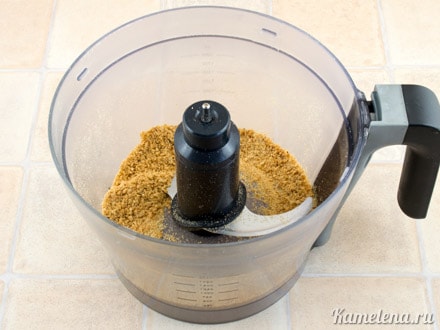
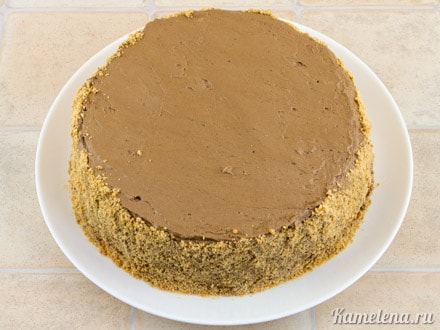
Assemble the cake. Trim the edges of the larger layer so both layers are the same diameter. Crumble the trimmings into fine crumbs.
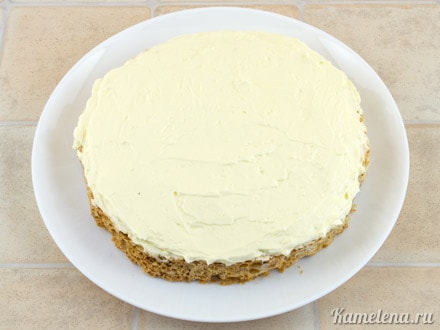
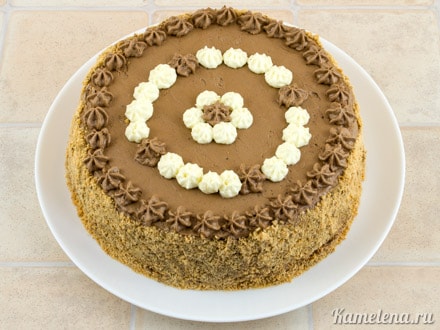
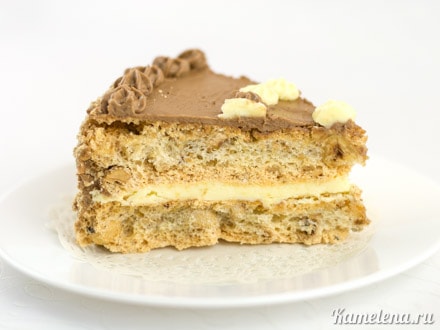
Place the first layer on a serving plate and spread the white cream over it (reserve about 2 tablespoons for decoration). Smooth the cream evenly.
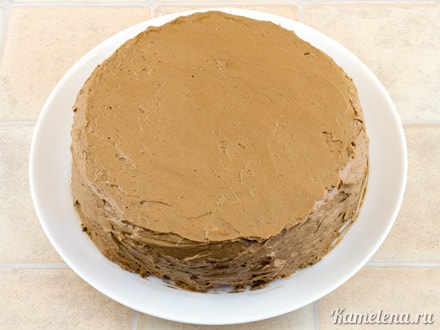
Top with the second layer, then spread the chocolate cream on top (reserve about 2 tablespoons for decoration). Coat the top and sides of the cake thoroughly with cream.
Comments