
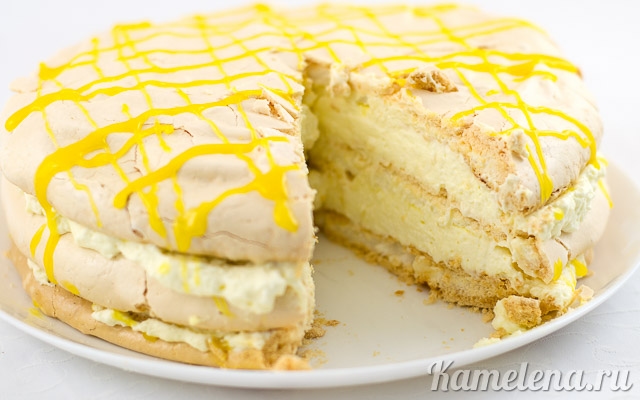
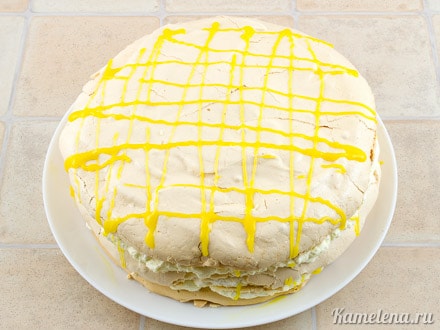
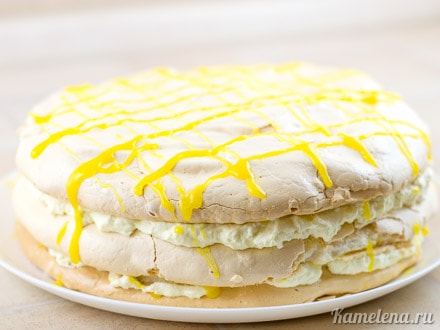
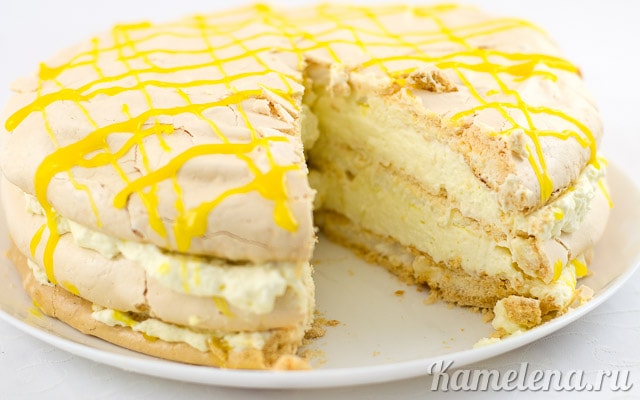
A truly delicious cake — very light and airy, built on meringue layers with a crispy top. Meringue layers are made from egg whites whipped with sugar; this type of layer is used in a Pavlova cake, for example. The layers turn out incredibly tender, airy, and almost weightless. I intentionally avoid calling these layers meringue cookies, even though they often go by that name, because when people hear "meringue" they think of those little cookies that are completely dry and crunchy — but meringue cake layers are nothing like that. The inside stays soft; only the top has that signature meringue crunch. I filled these wonderful layers with a cream made from whipped heavy cream, lemon curd, and a small amount of cottage cheese. The cottage cheese is there to make the cream a bit thicker and more stable so it doesn't slide off the layers. Mascarpone works beautifully for this purpose as well, though I understand it isn't always easy to find or affordable (you can also try using a whipped cream stabilizer instead of the cottage cheese addition).
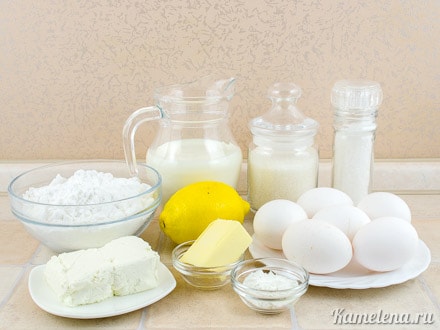
Ingredients:
- 6 egg whites
- 250 g powdered sugar
- 1 tbsp natural vinegar 6% (or lemon juice)
- 1 tbsp cornstarch (leveled)
- pinch of salt
- Cream:
- 300 g heavy cream 30–36%
- 70 g smooth, soft, non-sour cottage cheese (or mascarpone)
- 70 ml lemon juice + zest (1 lemon)
- 70 g sugar
- 30 g butter
- 3 egg yolks
How to cook meringue cake with lemon cream
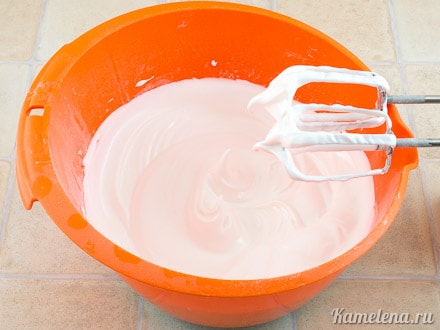
Begin whipping the egg whites gradually into a light foam, then slowly add the powdered sugar and continue whipping to stiff peaks. Add the salt and vinegar partway through whipping. The mixture should become glossy, shiny, and thick. I whipped for 12 minutes, but the time can vary greatly depending on your mixer type and power — you may need more time, up to 20–25 minutes. Add the starch at the very end of whipping.
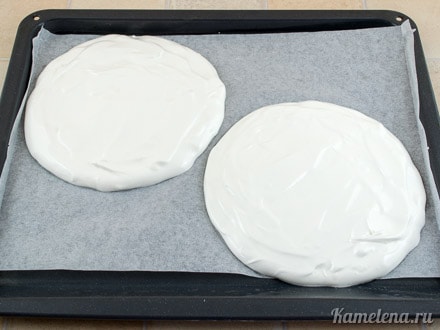
Line two baking sheets with parchment paper. On the back of the first sheet, draw two 20 cm circles, and on the second sheet draw one 20 cm circle (the easiest way is to trace a suitable plate). You'll end up with three layers total. If you don't have a second baking sheet, or if you're not sure about your oven, it's better to bake on just one sheet with 2 layers (meaning divide all the whipped mixture between two layers). Spoon one-third of the mixture onto each circle and spread it evenly with a spatula.
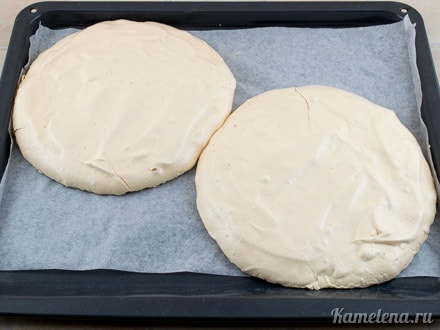
Place in an oven preheated to 130°C (265°F) and bake for approximately 1–2 hours. I dried mine for almost 2 hours, swapping the baking sheets halfway through. Go strictly by your own oven. The layers will be a light beige color and should sound crisp when tapped. Let the finished layers cool completely.
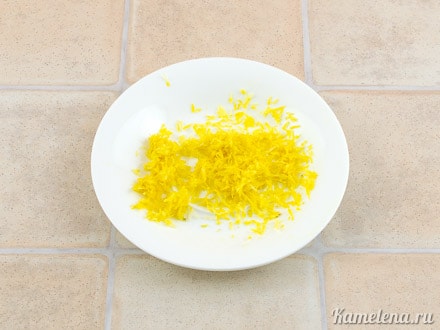
Make the lemon curd. Zest the lemon by grating it on a fine grater (without getting into the white pith).
Squeeze the juice from the lemon (I got 70 ml). Combine the lemon zest, juice, egg yolks, and sugar. Let the mixture sit for 10–20 minutes so the zest can release its aroma.
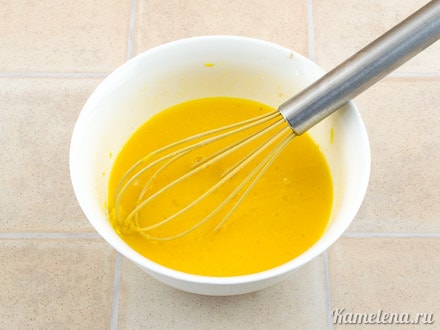
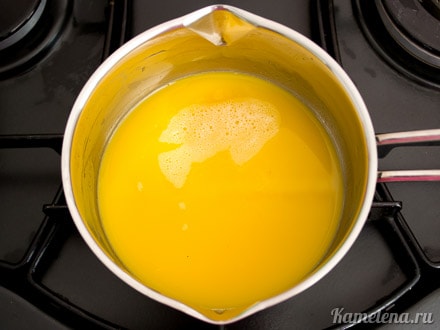
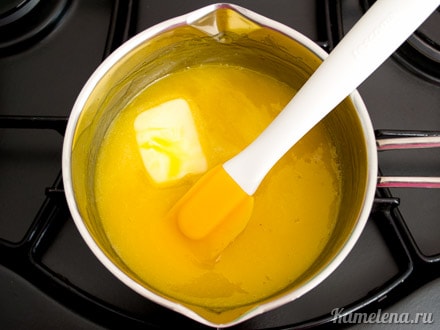
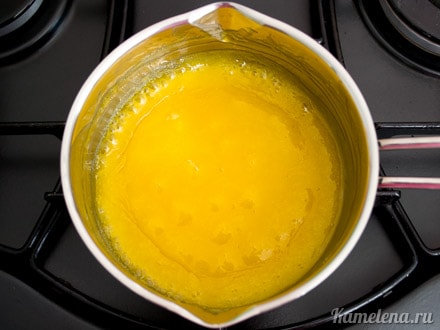
The mixture may bubble vigorously (as clearly visible in the photo), but the eggs won't curdle thanks to the high acid content. Let the finished curd cool completely.
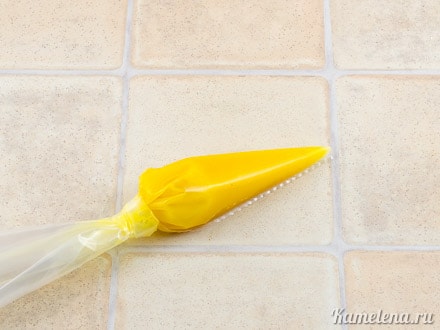
Spoon 1–2 tablespoons of the curd into a small sturdy zip-lock bag, seal it, and snip off a very small corner.
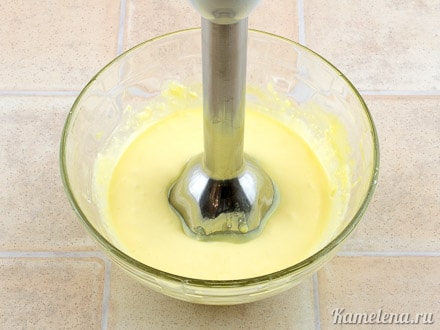
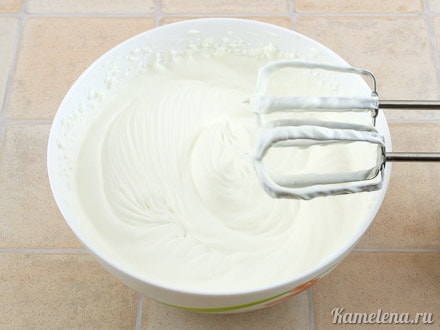
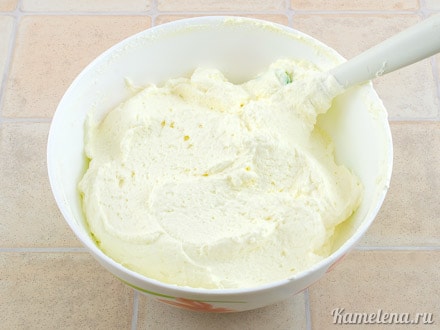
Make the cream. Blend the lemon curd together with the cottage cheese thoroughly using a blender. As a reminder, the cottage cheese here must be smooth, paste-like, and non-sour. Alternatively, use mascarpone, or whip the heavy cream with a whipped cream stabilizer.
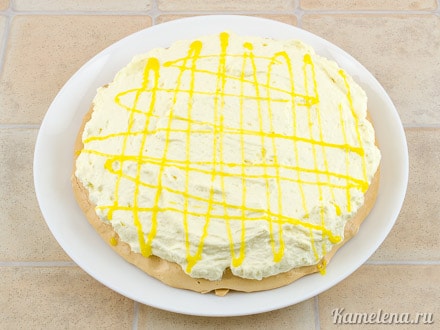
Assemble the cake. Place the first layer on a plate. Spread half the cream on top and drizzle with curd from the piping bag.
Comments