
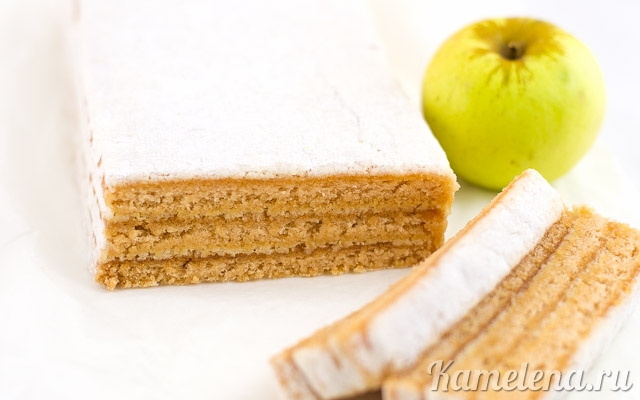
Pastila is a truly Russian confection, with the earliest mentions dating back to 1573. Belevskaya pastila has been made since the late 19th century in the town of Belev in the Tula region, thanks to merchant Ambrose Prokhorov, who established its production in 1888. According to legend, Belevskaya pastila was supplied to the tsar's table and even exported to Europe. This pastila is made from just three ingredients — apple purée, sugar, and egg whites — the same recipe mentioned in Molokhovets's cookbook. Since I approach everything very thoroughly, I even tracked down a detailed photo report from the pastila factory in Belev so I could examine every step and not miss any nuances :-) Traditionally, Belevskaya pastila is made from Antonovka apples, which is exactly what I used. However, I think a similar variety could work — you need firm, tart green winter apples, even slightly underripe ones. These apples have the highest pectin content, which is essential here. The pastila I ended up with absolutely blew me away. It turned out so unexpected, so unlike anything I'd had before, and so outrageously delicious that I was truly impressed. In terms of taste, it's like the most delicate, pillowy soufflé pastry with a bright, rich sweet-tart apple flavor. It's genuinely delicious — I think if you love apples and clean, natural flavors, you'll love it too. It's nothing like the bland, lifeless little bars sold in stores under the name pastila. And to make sure yours turns out perfectly, I've described and photographed every step in detail, as always. All that's left is to make it!
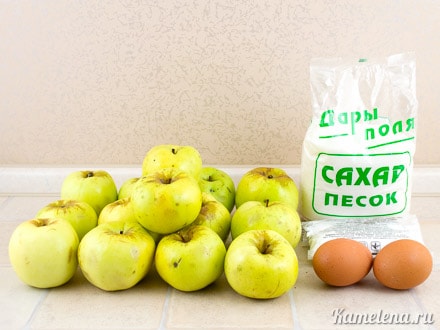
Ingredients:
- 1 kg apple purée (≈1.7 kg apples, see below)
- 350 g sugar
- 2 egg whites
- powdered sugar
How to cook belevskaya pastila
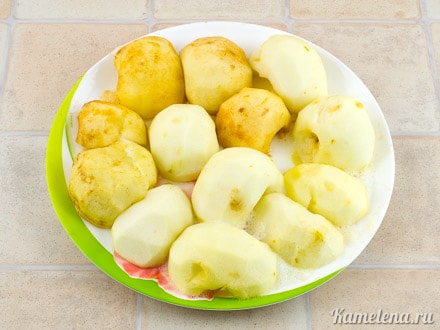
Peel the apples, cut them in half, and remove the cores and any inedible parts. Bake in batches in the microwave until completely soft (4–8 minutes depending on the power level).
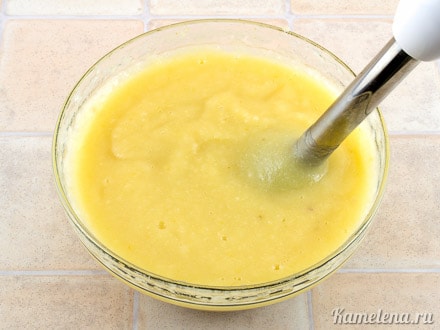
Press through a colander to remove any remaining bits of skin, etc. To get 1 kg of apple purée, I needed 1.7 kg of apples (14 medium apples).
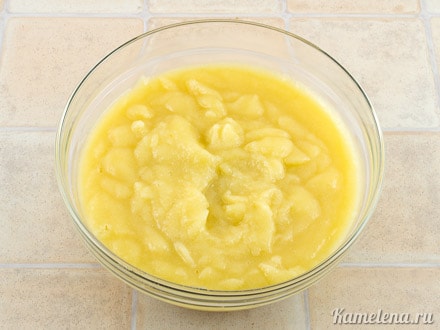
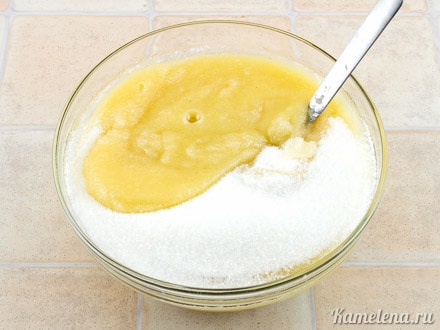
Add the sugar to the warm purée and stir to combine. If your apples are not as tart as Antonovka, or if you prefer less sweetness, you can reduce the amount of sugar. Let the purée cool completely — it's best to refrigerate it for a couple of hours so it's thoroughly chilled (this will help it whip up better).
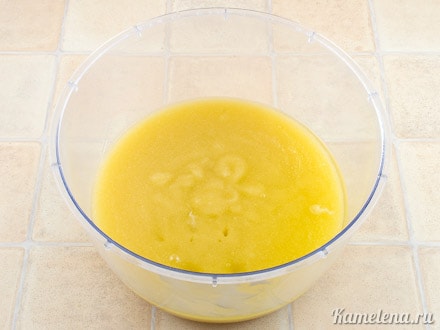
Place the apple purée into a large bowl and add the egg whites. This is how much purée I had at the start.
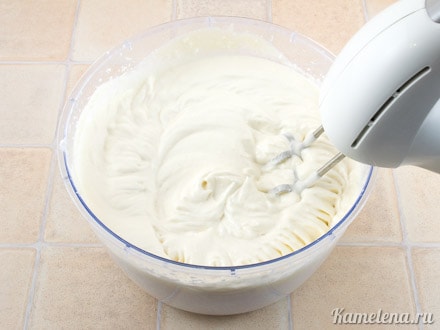
Beat the mixture until it increases in volume by at least two to three times. I beat it on maximum speed for 15 minutes, and my mixture increased about fourfold. The better you whip it, the airier and more delicate the pastila will be.
Line a baking sheet with parchment paper, making sure the sides are covered as well. Set aside 200 g of the whipped mixture in a separate bowl, then pour the remaining mixture onto the prepared baking sheet.
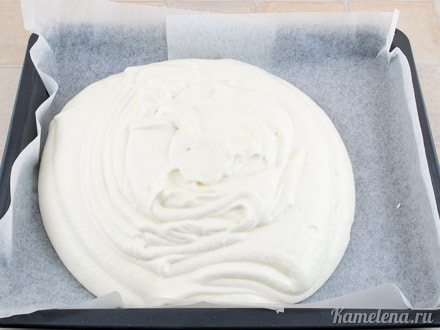
Smooth the surface thoroughly with a silicone spatula. Place in an oven preheated to 70–100°C (160–210°F) and dry the pastila for approximately 4–8 hours; the time will vary greatly depending on your oven. I dried mine at 100°C (210°F) for 5 hours and 30 minutes using the convection setting (with the oven door slightly ajar so excess moisture can escape).
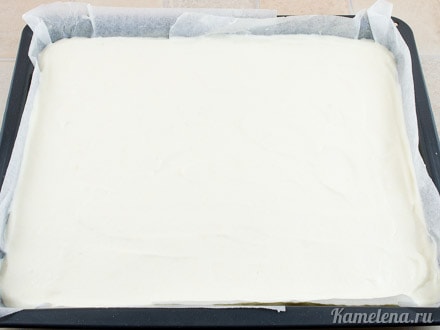
This is what the finished sheet looks like — it holds its shape firmly while remaining quite flexible.
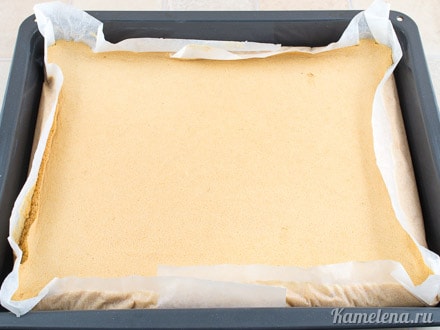
Let the sheet cool completely. Then flip it over, thoroughly dampen the parchment paper with water, and carefully peel it off.
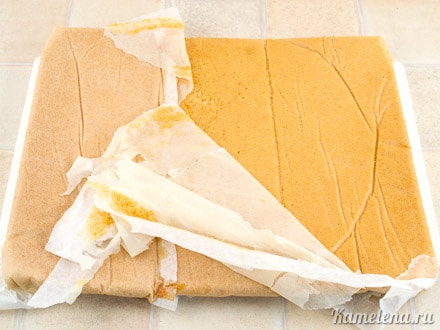
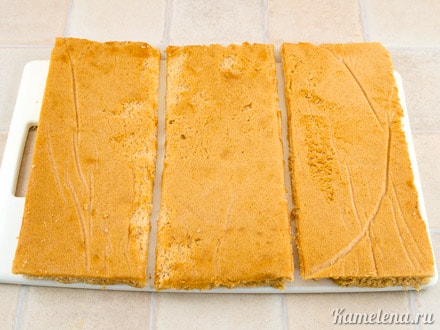
Using a wet sharp knife, trim a couple of centimeters off all four edges (these edges can be quite dry). Cut the resulting sheet into 3 strips.
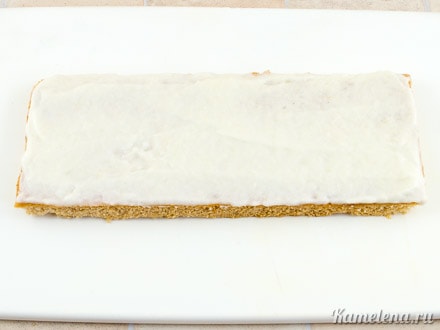
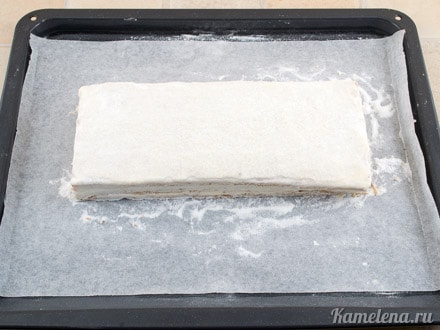
Place the second strip on top and spread it with another quarter of the mixture. Top with the last strip and spread the remaining mixture over the top and sides.
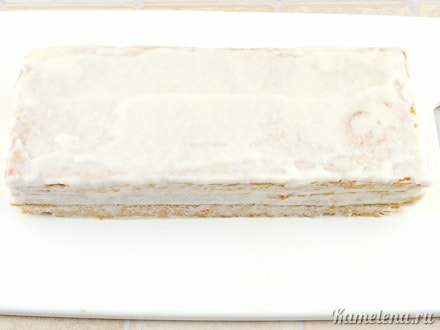
Return to the oven and dry at the same temperature for another 1–2 hours (I dried mine for 1.5 hours). Let cool completely.
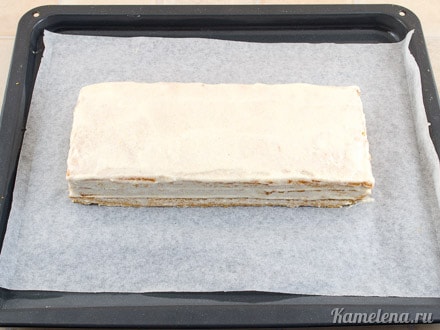
Rub powdered sugar over all sides. Do this with light, gentle movements so you don't crush the pastila — start with the top and sides, then carefully lift it and dust the bottom as well.
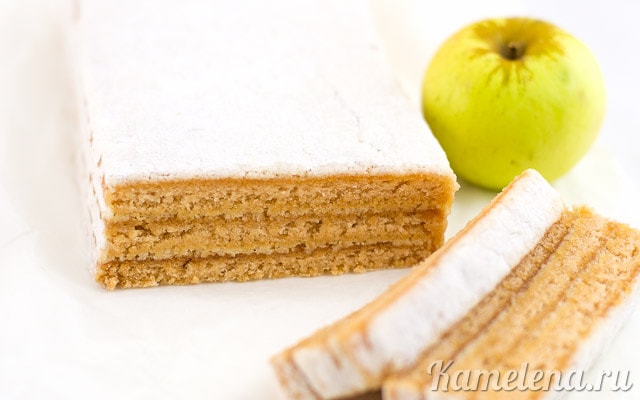
We finished the pastila in 2 days — in theory, it should become firmer over time as it's stored, but I don't think that makes it any less delicious. The best way to slice the pastila is with a wet sharp knife. Cut gently without pressing down, so you don't crush it (use light sawing motions, as you would with fresh white bread). Here it is — Belevskaya pastila, soft, melt-in-your-mouth, and absolutely delicious! Treat yourself to this extraordinary delicacy made from a time-honored recipe!
Comments