

Brioche is a yeasted pastry that originated in France. I'll be honest — I'm not a big fan of yeast-based baking in general, and I don't make it very often. But brioche is something special. It's incredibly delicious and nothing like what you'd typically think of when you hear "yeast bread." The flavor is so delicate it practically melts in your mouth. Originally, brioche was made with very little sugar, but today much more sugar, butter, and eggs are added. The golden ratio is considered to be when the butter is 60% of the amount of flour. Since the dough contains almost no liquid (just 2 tbsp), the finished pastry has a very tender, melt-in-your-mouth texture. Brioche is extremely soft and slightly stringy — somewhere between a cupcake, a sweet roll, and an Easter bread. But unlike Easter bread, for example, brioche is much simpler to make, so you can treat yourself and your loved ones not just once a year but every weekend if you like. It's also very convenient that the dough can be made the night before. I baked mine in small molds and ended up with 12 little brioches (as shown in the photo). You can also bake 2–3 medium-sized ones in tall molds, or one large one (you'll need to increase the baking time accordingly).
Ingredients:
- 250 g flour
- 150 g butter
- 70 g sugar
- 3 eggs
- 5 g dry yeast (instant)
- 2 tbsp milk
- 1/2 tsp salt
- zest of 1 lemon
- Also:
- 70 g raisins
- 3 tbsp cognac
- egg yolk for brushing

How to cook brioche
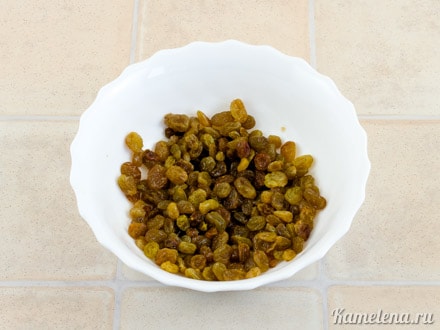
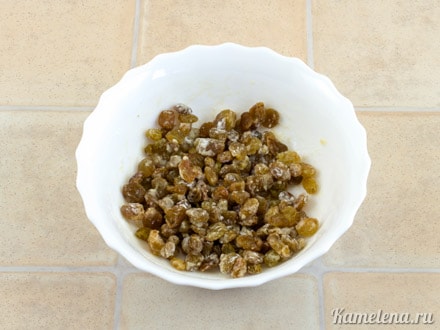
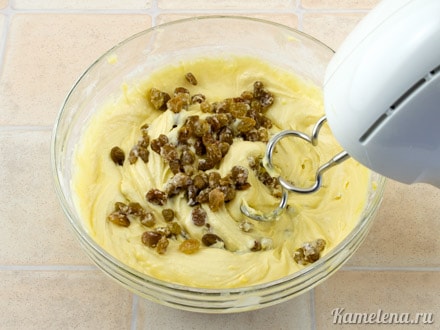
Rinse the raisins, pat them dry thoroughly, pour the cognac over them, and let sit for 15–30 minutes.
Sift the flour and mix it with the yeast. Zest the lemon by grating it on a fine grater (avoiding the white pith). In a bowl, combine the sugar, salt, eggs, milk, and lemon zest.


Gradually add the flour, kneading into a soft, elastic dough. Start by mixing with a whisk or a spoon.
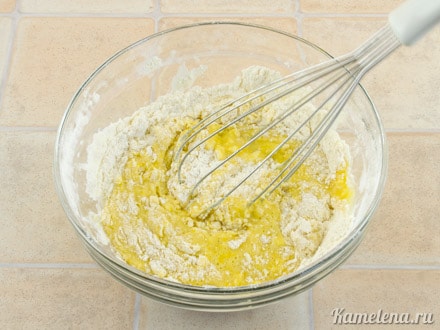
Then switch to dough hooks. You can also knead in a stand mixer with the appropriate attachment. Knead thoroughly for about 7–10 minutes. The dough will remain sticky and tacky — that's exactly how it should be. Do not add more flour.
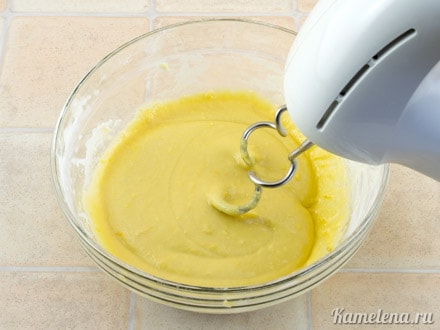
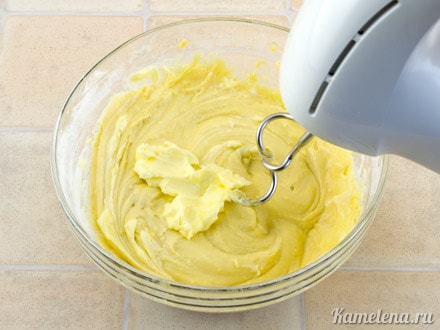
Then add the softened butter in portions, thoroughly working it into the dough each time. The butter must be very soft and at room temperature — take it out of the refrigerator ahead of time. Continue kneading for another 7–10 minutes.
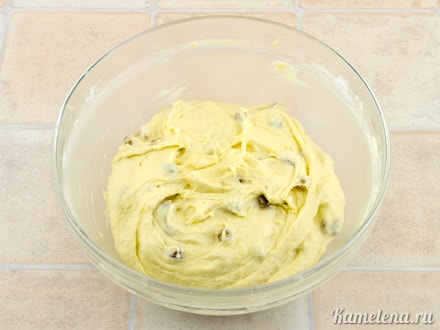
Place the dough in a warm spot for 1.5–2.5 hours; it should roughly double in size. I put mine in a barely warm oven — just be careful, the temperature should not exceed 30–35°C (86–95°F). Then punch the dough down (just give it a gentle fold), cover loosely with plastic wrap. Refrigerate for 12 hours (or a minimum of 8, maximum of 24). This way, the dough is first slowed down in its rise so it can come back even stronger afterward.
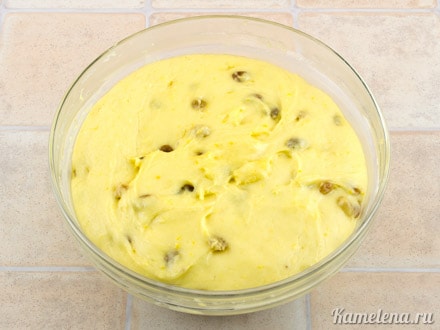
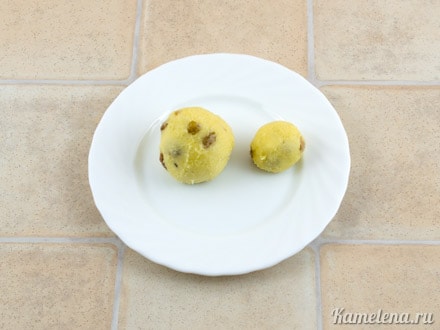
Remove the dough from the refrigerator and divide it into portions depending on the size of your molds. I divided mine into 12 pieces. From each piece, pinch off a quarter of it and roll both parts into balls. You can grease your hands with butter to make this easier.
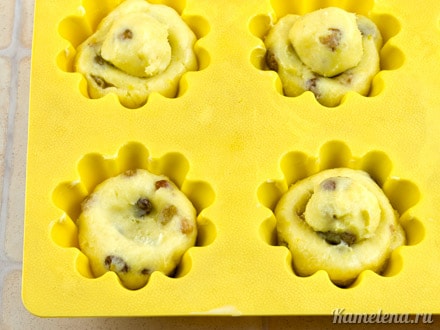
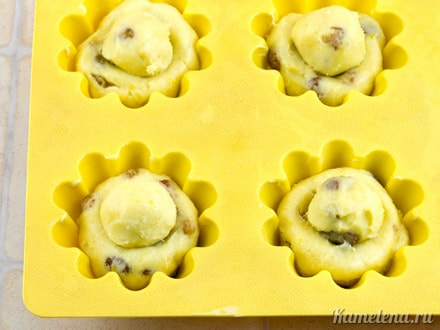
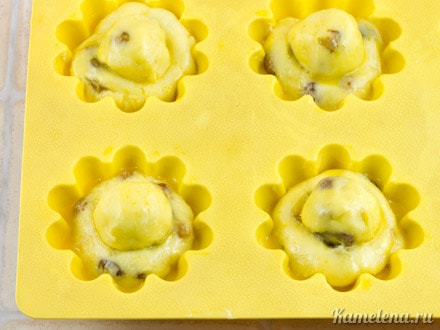
Grease the molds with butter. Place the larger ball into each mold and make an indent in the center.






Comments