
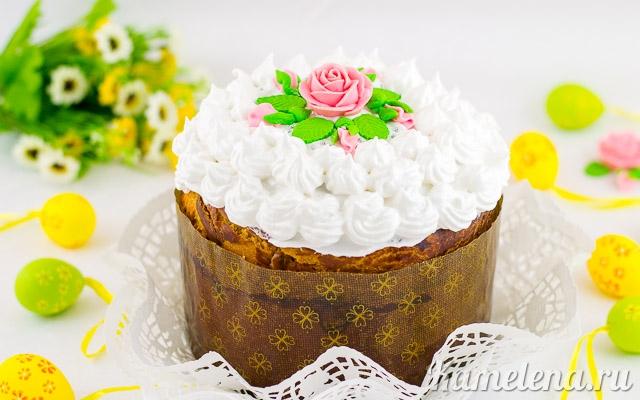
The bright spring holiday of Easter is just around the corner, so I'm sharing my recipe for a truly delicious Easter kulich. My personal favorite is kulich made with egg yolks — if you've ever made shortcrust pastry with egg yolks, you may have noticed that they give the finished bake a more tender, crumbly texture. The very same thing applies to kulich. Egg whites can certainly make kulich more airy, tall, and full of holes, but the flavor ends up less tender, crumbly, and "moist." So for me, yolk-based kulich wins every time. The dough needs to be kneaded well and allowed to rise several times in a warm place — that's what gives you kulich with a perfectly authentic "kulich" texture. By the way, in the region where I live, Easter kulich is always called "paska," and I only learned it had another name — kulich — when I was an adult. So around here, kids make "pasochki" in the sandbox, while in most of Russia kids make "kulichiki" :)
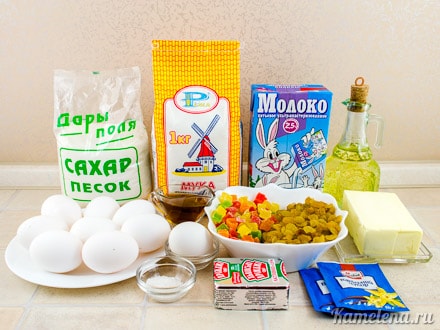
Ingredients:
- 800–1000 g flour
- 500 ml milk
- 350 g sugar
- 200 g butter
- 50 ml vegetable oil
- 8 egg yolks
- 25 g fresh yeast (or 10 g dry)
- 2 packets vanilla sugar (10 g each)
- 1 tsp salt (level)
- 1 egg yolk for brushing
- Add-ins:
- 200 g raisins
- 100 g candied fruit
- 5 tbsp cognac (optional)
- Glaze:
- egg whites
- sugar
How to cook easter kulich
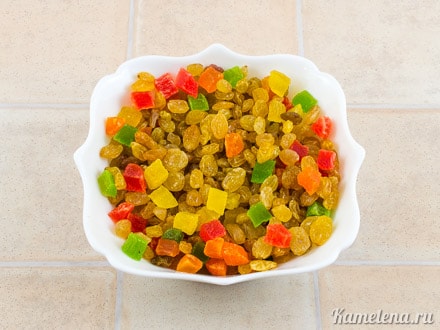
Prepare the add-ins. Rinse and dry the raisins. Add the candied fruit, cutting it to roughly the same size as the raisins if needed. Drizzle with cognac or another aromatic spirit if you like — you can substitute orange juice or skip this step entirely.
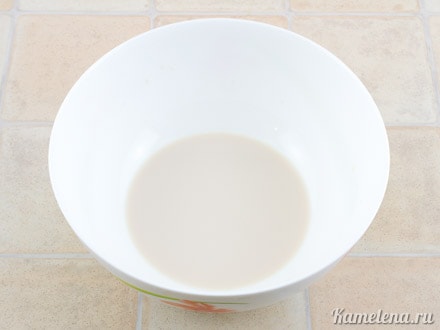
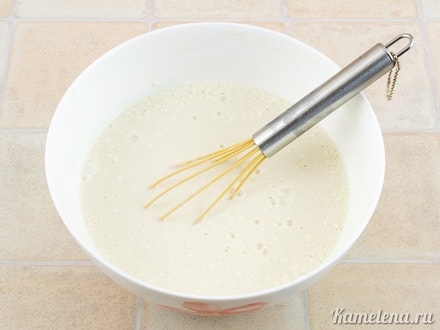
Make the sponge. Crumble the yeast into a large bowl, pour in about half a cup of milk, and rub the yeast in well until completely dissolved (you can use your hands).
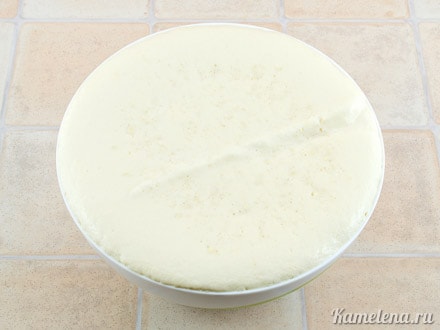
Warm the remaining milk until just barely warm (it should feel slightly warm to the touch). Pour it in with the dissolved yeast, then add a tablespoon of sugar and 200 g of sifted flour (if using dry yeast, simply mix it into the flour at this stage). Stir well until no lumps remain. Place the sponge in a warm spot for 30–40 minutes. Here's how I create a warm spot: I turn the oven on for just 1–2 minutes, then turn it off immediately. You can also place the bowl near a radiator, inside a larger bowl of warm water, etc.
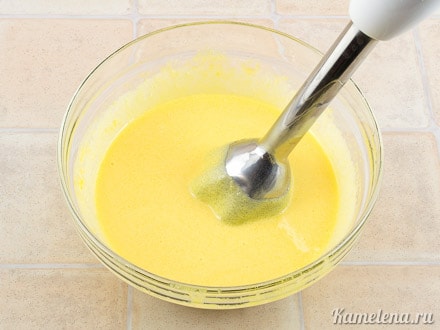
Combine the egg yolks, sugar, vanilla sugar, and salt in a bowl, and blend until smooth with an immersion blender. If you don't have one, simply mix thoroughly with a large spoon.
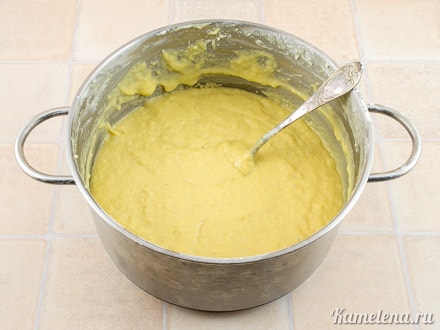
In the large bowl you'll use for the dough to rise (I use a 5-quart pot), combine the risen sponge and the egg yolk mixture, and stir together.
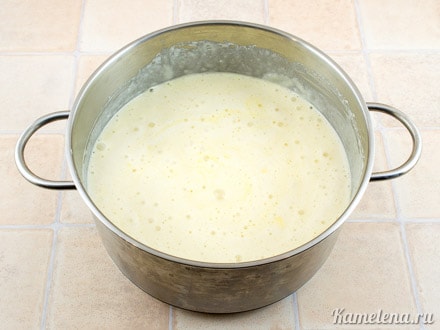
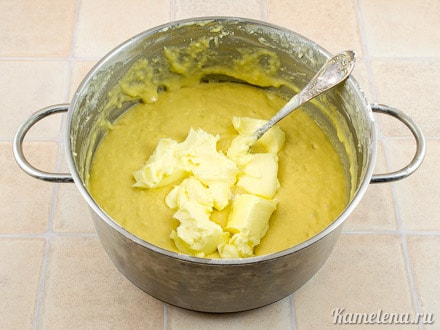
Add the softened butter (take it out of the fridge ahead of time; if you forgot, you can warm it briefly in the microwave).
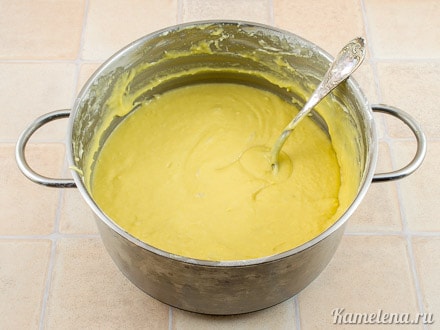
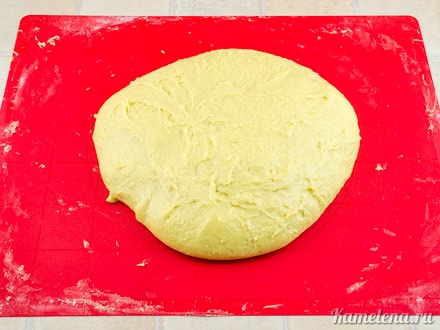
Dust your kneading surface with flour. Measure 50 ml of vegetable oil into a small bowl. Adding vegetable oil will make the kulich even more crumbly and help it stay fresh longer; it also makes kneading easier. Coat your hands with vegetable oil and turn all the dough out onto the surface. Begin kneading, adding flour as needed and oiling your hands periodically. At first the dough will be loose, sticky, and spreading.
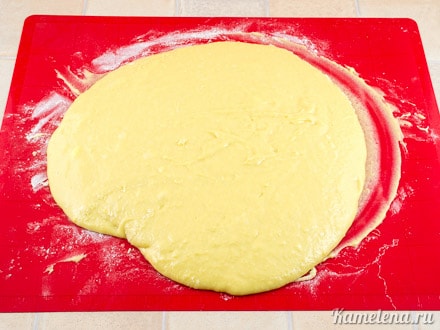
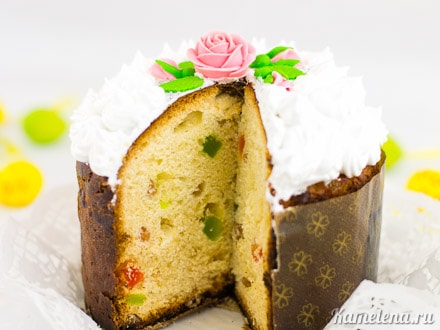
With extended kneading it will become smoother — knead for at least 20–30 minutes; the longer, the better. Try not to add too much flour. I used exactly 1 kg in total, but you may need a little less or a bit more depending on your flour. The dough should be very soft and pliable, but not stiff or dense.
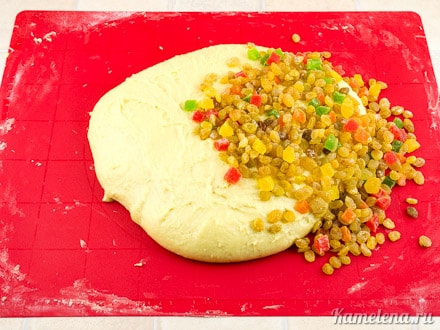
Toss the raisins and candied fruit with a tablespoon of flour and mix to coat. Add the mix-ins to the dough and knead for another 5–7 minutes until they are evenly distributed throughout.
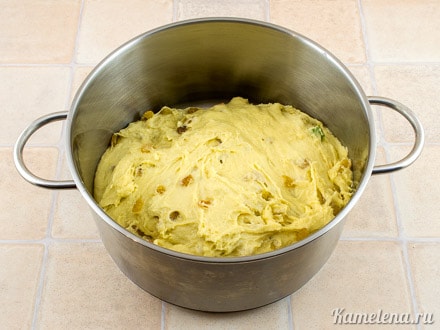
Place in a warm spot for 2–4 hours, or until the dough has roughly doubled in size (I used a warm oven again). Then punch the dough down — press it firmly with your closed fist to release all the carbon dioxide. From here, you have two options. Option 1: Return the dough to a warm spot for another 2–4 hours, or until doubled again. If you go this route, double the amount of yeast from the start — use 50 g fresh (or 20 g dry accordingly). Option 2: Let the dough rise a second time in the refrigerator overnight. I already used this method when I made Brioche — a long, cold rise allows you to use less yeast, and the finished bake has a better aroma with virtually no yeasty smell. For kulich specifically, there's the added bonus of being able to split the process over two days, so you don't have to do everything in a single day starting from early morning as in Option 1. Both options are great — just choose whichever works best for you.
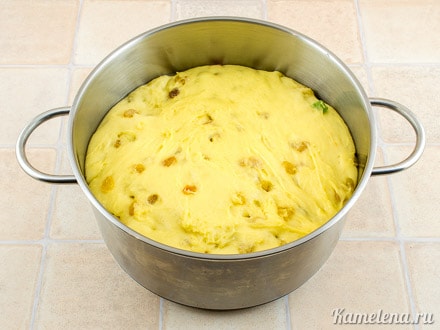
The next morning, take the dough out of the refrigerator, punch it down, and let it come to room temperature. Alternatively, punch down the dough after its second rise in a warm spot (if you went with Option 1).
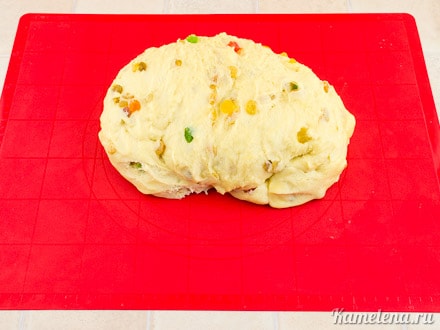
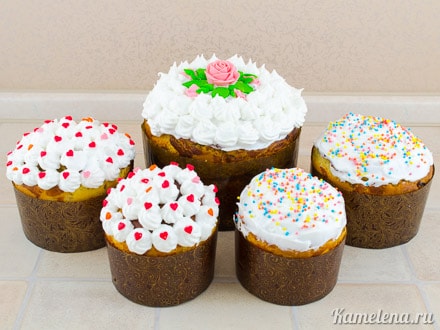
Divide the dough into portions and place them in prepared pans, filling each about one-third full. I used paper molds, which don't need to be greased or dusted. If you're using other pans, grease them and dust with a thin layer of flour. I baked all my kulich at once — I ended up with 1 large, 2 medium, and 3 small.
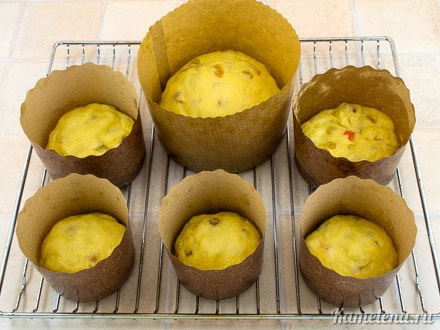
Place in a warm spot to rise for 2–4 hours, or until doubled in size (I used the oven again). Mix the egg yolk with a teaspoon of water and beat lightly. Brush the tops of the kulich with the egg wash using a pastry brush.
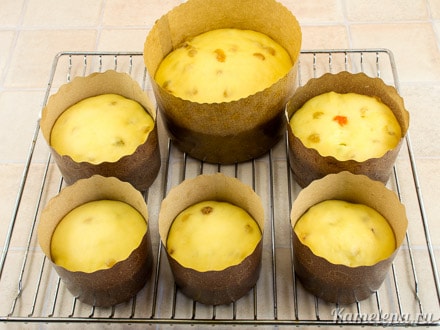
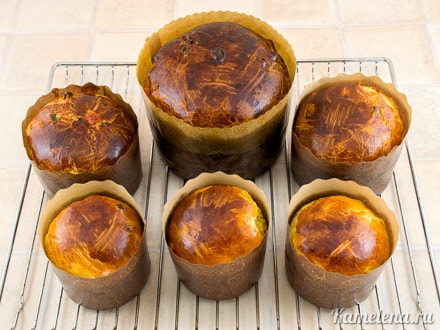
Bake in an oven preheated to 180°C (350°F) for 30–50 minutes. I took the small kulich out after half an hour and the large one needed 50 minutes. Use your own oven as a guide and check doneness with a long skewer — if it comes out clean with no wet dough, the kulich are ready. Let the finished kulich cool completely.
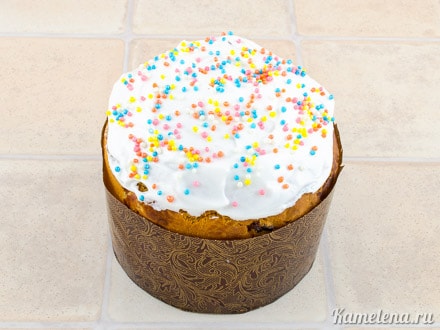
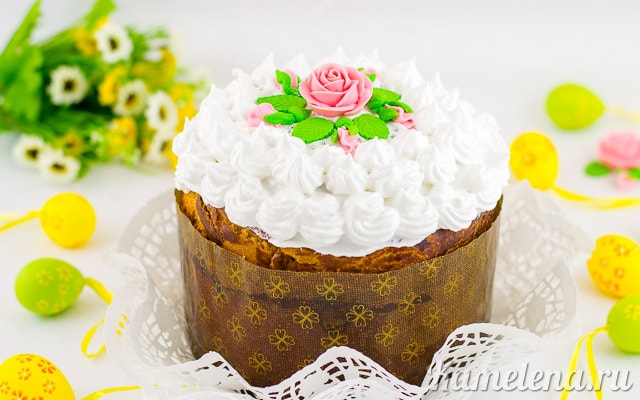
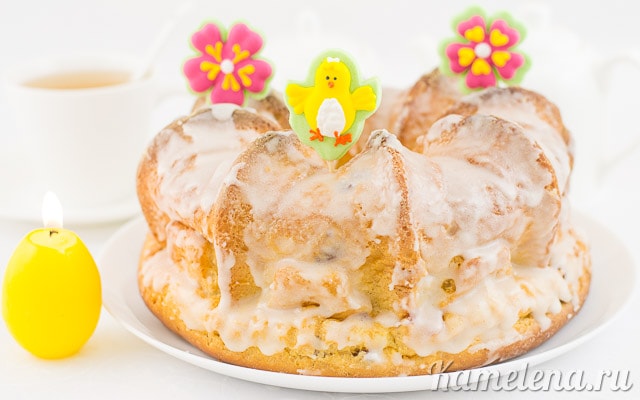
Make the glaze. I really wanted to decorate the kulich in a more creative and delicious way than the traditional option, so I topped them with Italian meringue (also known as boiled frosting or custard meringue — the kind you might remember from shortcrust tartlets as a kid). Here's how I made it: combine 120 g sugar and 40 ml water in a small saucepan and cook for about 5–7 minutes, or until it reaches the soft-ball stage (when a drop of syrup falls into a cup of cold water, it forms a soft ball). When the syrup is about halfway done, beat 2 egg whites to stiff peaks. Then pour in the boiling syrup in a steady stream and continue beating for another 7–10 minutes, until the mixture is very thick and holds its shape well. If you'd prefer a classic glaze, simply beat 1 egg white, gradually adding 100–150 g of sugar or powdered sugar until you reach the desired consistency.
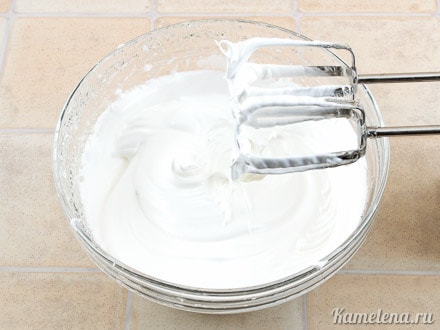
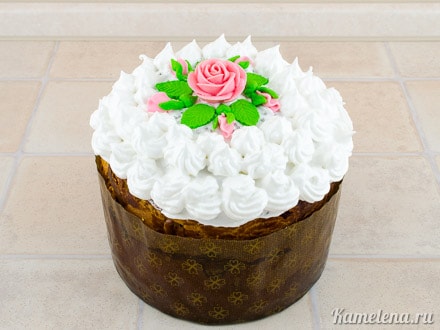
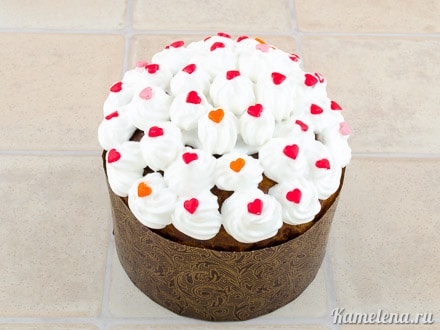
The great thing about Italian meringue is that you can pipe it into beautiful decorations using a pastry bag. The boiling syrup also pasteurizes the raw egg whites during preparation (which matters to some people). And in my opinion, this topping is far tastier — it's soft and creamy, and it doesn't crumble when you slice the kulich. Ideally, store boiled meringue frosting for no more than 72 hours. Decorate the kulich with your chosen glaze — for example, as creatively as I did :)

Comments