
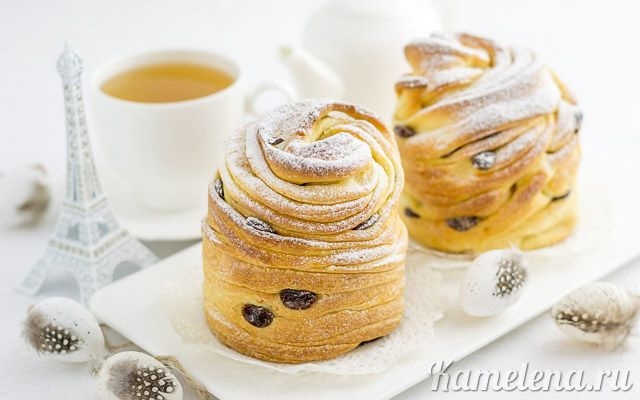
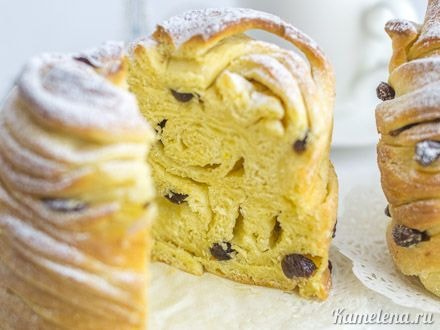
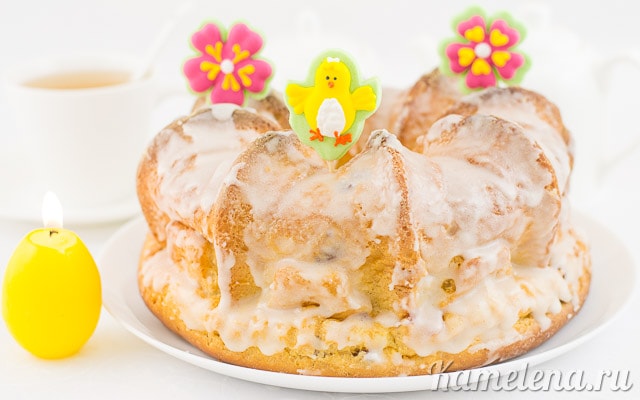
Cruffin Easter Bread is a unique, beautiful, and festive baked treat that has become very popular in recent years. Cruffins are an unusual and delicious pastry, perfect for celebrating Easter as a holiday bread. Cruffins originated in Australia in 2013 and have been winning fans around the world ever since. A cruffin is a hybrid of a croissant and a muffin, always made with an enriched yeast dough layered with soft butter. Common mix-ins include raisins or other dried fruits — apricots, cranberries — or you can use candied fruit or nuts. Finished cruffins are lightly dusted with powdered sugar. The sugar glaze used for classic Easter bread is best skipped here, so all that beautiful layered texture stays visible. The ingredient quantities in this recipe make three cruffins with a 9 cm diameter — that's what I made. Of course, feel free to scale the recipe up to make as many Easter breads as you need.
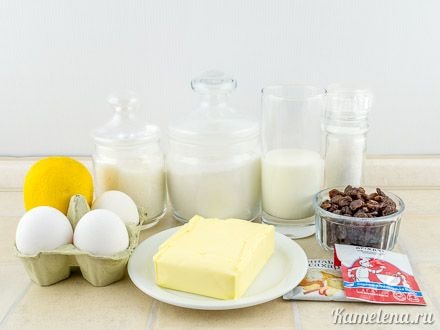
Ingredients:
- Dough:
- 320 g flour
- 120 g milk
- 100 g sugar
- 50 g butter
- 1 egg
- 2 egg yolks
- 2 tsp dry yeast
- 1 tsp vanilla sugar
- zest of one lemon
- pinch of salt
- For the filling:
- 100 g butter
- 100 g raisins
How to cook cruffin Easter bread
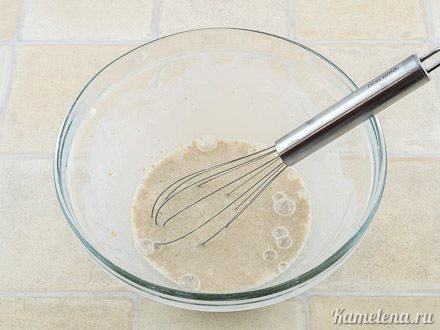
Prepare the yeast sponge. Pour warm milk into a bowl, then add the yeast, a couple of tablespoons of sugar, and a couple of tablespoons of flour (taken from the measured amount for the recipe). Stir well to combine.
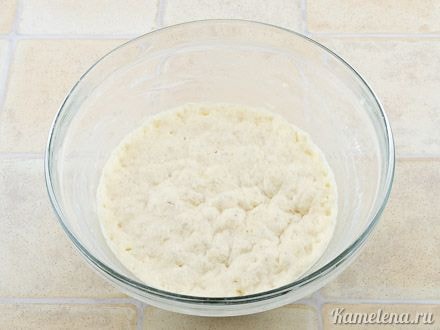
Place in a warm spot for 20–30 minutes, or until doubled or tripled in size. I use a barely warmed oven (I turn the heat on for a couple of minutes, then turn it off).
Make the cruffin dough. Place the egg and egg yolks in a bowl, add the sugar, salt, vanilla sugar, and lemon zest. Beat until light and fluffy.
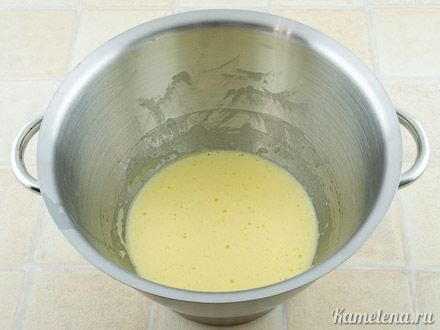
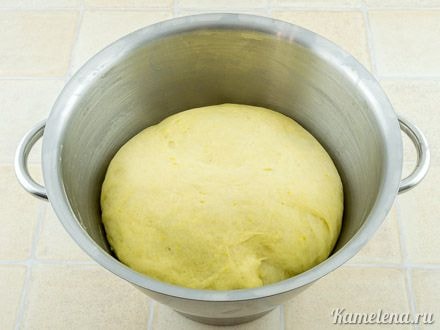
Add the sponge and mix to combine. Then gradually add the flour and knead the dough, adding the melted butter toward the end of kneading. The dough needs to be kneaded for a long time, just like for traditional Easter bread. Add a little more flour if needed. The finished cruffin dough should be medium in density — soft and tender to the touch. It should be firmer than dough for classic Easter bread, since we'll be rolling it out fairly thin and spreading it with butter, which is difficult to do with overly soft dough. At the same time, it shouldn't be too stiff, as that will negatively affect the flavor.

Place in a warm spot for 1 to 1½ hours, or until the dough has roughly doubled or tripled in size (I also put mine in a warm oven). Cover with plastic wrap or a kitchen towel to keep the dough from drying out.
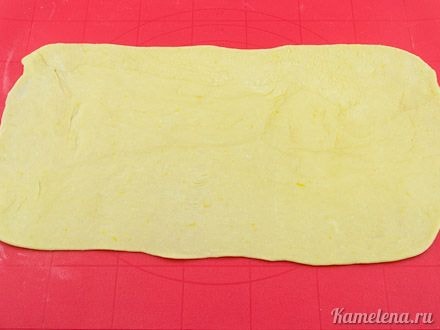
Shape the cruffins. Divide the dough into three equal portions — you'll get three cruffins. Roll each portion out into a thin sheet measuring 35 cm by 25 cm.
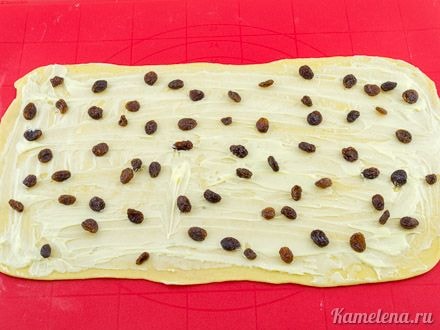
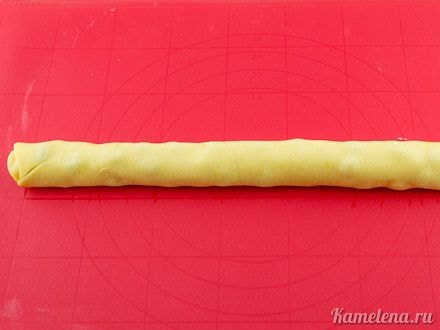
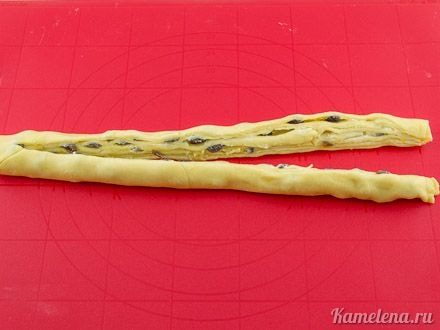
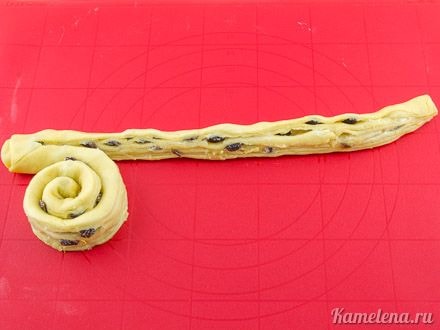
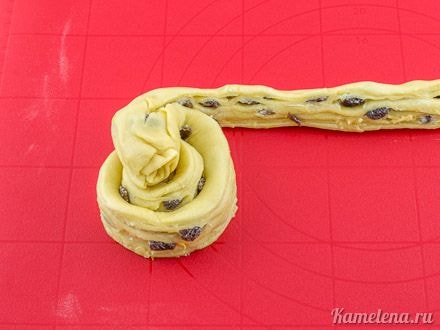
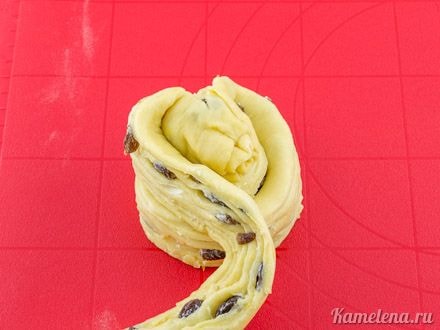
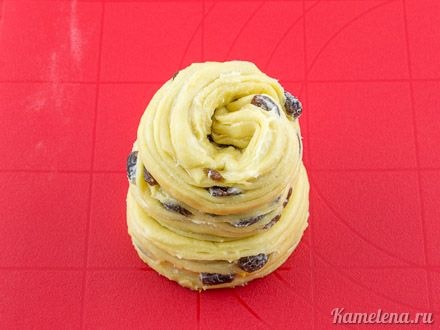
Tuck the very end of the dough underneath. You'll end up with a little tower of layered dough with all the layers exposed on the outside.
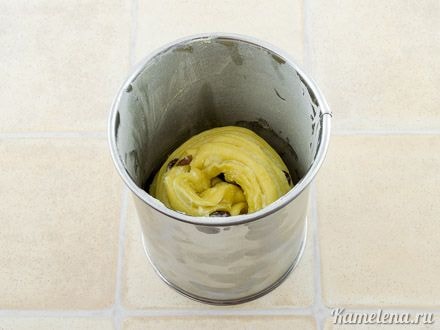
Prepare the cruffin molds. Mine are 9 cm in diameter and 12 cm tall. If your molds are shallow, it's a good idea to extend the sides with parchment paper. Fill the molds about one-third full. You can use special Easter bread molds like mine, disposable paper Easter bread molds, or even thick-walled mugs. You can also make sides out of folded foil and line the inside with parchment paper. There are really quite a few options for baking cruffins in an Easter bread shape — handy if you'd rather not buy specialty molds you'll only use once a year!) Grease the molds with butter and dust the surface with a thin layer of flour, then carefully place the shaped cruffins inside. Set in a warm place to rise for 30–40 minutes. Then transfer to an oven preheated to 180°C and bake for 30–40 minutes, or until nicely browned — cover with foil if the tops are browning too quickly. Cruffins can be baked a couple of days ahead, just like classic Easter bread.


Comments