
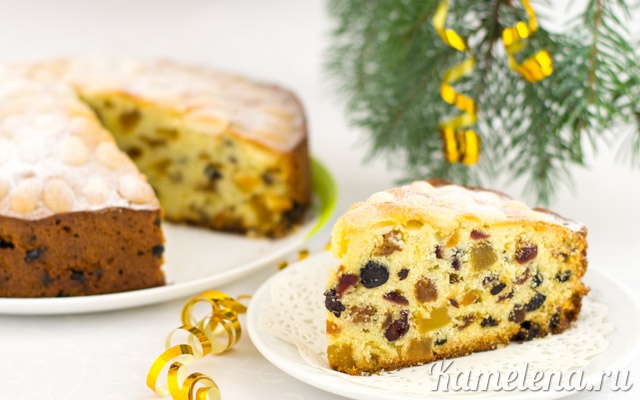
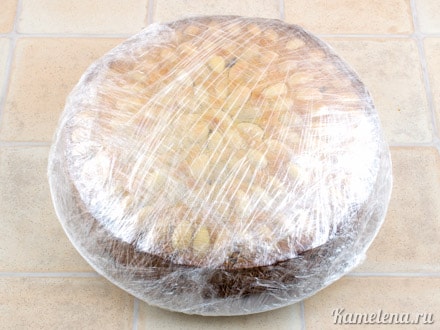
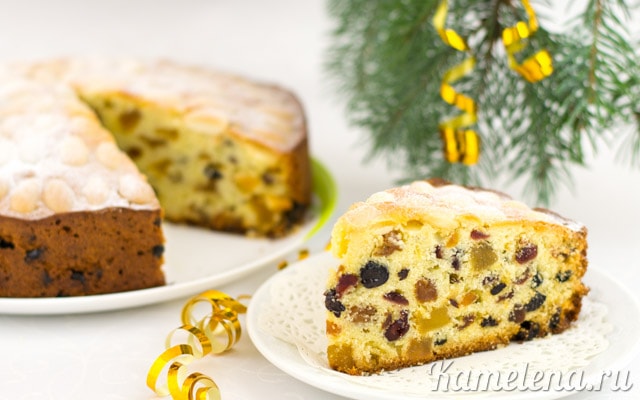
Dundee cake is a traditional Christmas bake loaded with candied fruit, dried fruit, and almonds. The cake originates from Scotland and gets its name from the first company to produce fruitcakes commercially — "Keillers of Dundee." This cake is typically baked well before Christmas and then left to mature in a cupboard for several weeks. I aged mine for 3 weeks, though some patient bakers let it rest for up to 1.5–2 months. During that time, the dried fruit and candied fruit release their moisture into the batter, the aromas meld together, and the cake develops a crumbly texture and a well-rounded, balanced flavor. I can already anticipate the question: won't the cake go bad while it's aging? The answer is no. It's best stored tightly wrapped in plastic wrap (to keep it from drying out) in a dry, cool, dark place — a cupboard works great (I kept mine at room temperature, around 68–73°F). A pantry at around 60–68°F is even better. Batter that's heavy with candied and dried fruit takes longer to bake through, so it's important to bake it low and slow. I hope I'm not too late posting this recipe — there's still time before Christmas, and you'll have plenty of time to treat your loved ones to this fragrant and festive holiday bake!
Ingredients:
- 250 g flour
- 200 g butter
- 200 g sugar
- 4 eggs
- 3 tbsp lemon juice
- zest of 1 lemon
- 1/2 tsp baking powder
- 50 g ground almonds
- almonds for decoration (≈120 g)
- Candied fruit and dried fruit (600 g total):
- 150 g dark raisins
- 150 g golden raisins
- 100 g candied pear
- 100 g candied pineapple
- 100 g dried cranberries
- 70 ml cognac (or other aromatic alcohol)
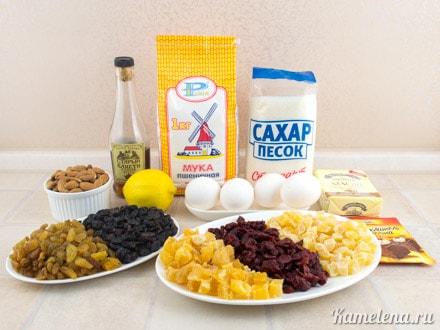
How to cook Dundee Christmas cake
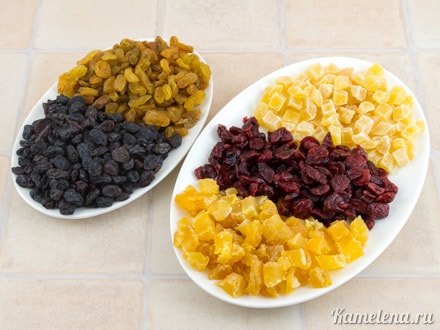
Choose your dried and candied fruit carefully. You can use a wide variety of dried fruits and candied fruit to suit your taste. Try to pick ones in different colors so the cake looks vibrant when sliced. One thing I'd avoid is artificially dyed candied pineapple and the like — we all know pineapple is yellow, not red or green (unfortunately, those brightly colored versions are the most common ones in stores). Those can bleed color into the batter around them, and there's really no reason to use artificial dyes in a homemade Christmas cake. I used (pictured left to right): dark Isabelle raisins, golden raisins, candied pears, dried cranberries, and candied pineapple.
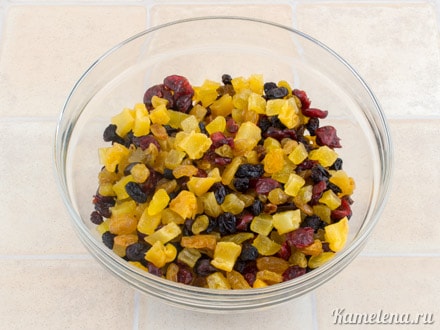
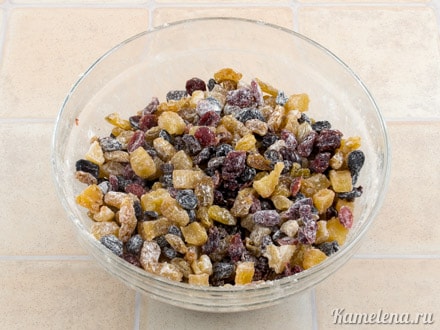
Rinse the dried fruit and candied fruit, then pat them thoroughly dry with paper towels or napkins. Add the cognac, stir to combine, and let sit for 1–2 hours to soak.
Pour boiling water over all the almonds (170 g) and let sit for 5 minutes, then slip off the skins. If the skins don't come off easily, pour boiling water over them again — that will loosen even the most stubborn ones.
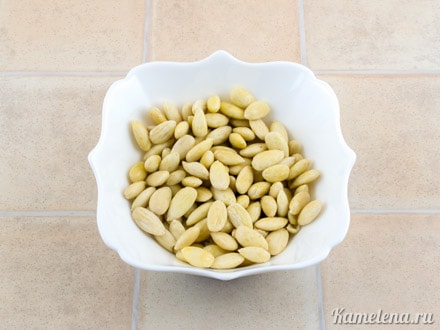
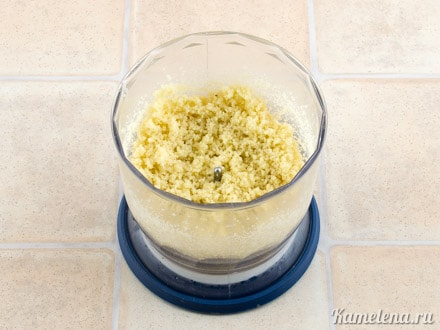
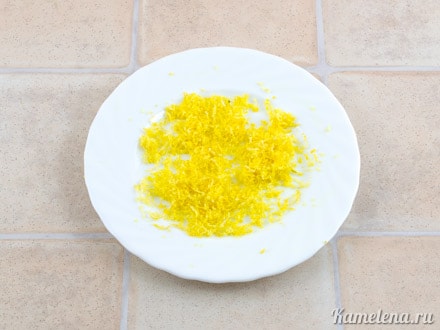
Add 2–3 tbsp of flour to the dried fruit and candied fruit mixture and stir gently to coat (take the flour from the amount already measured out for the cake).
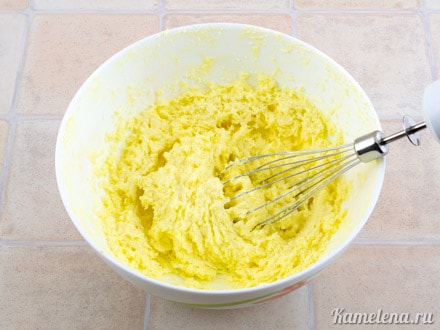
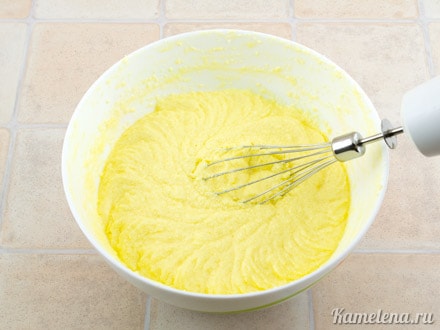
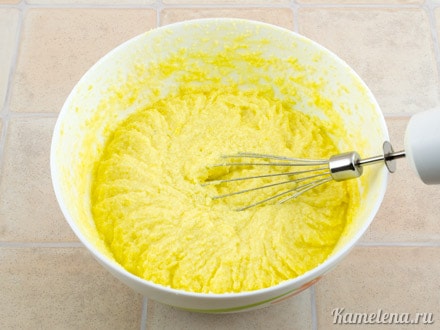
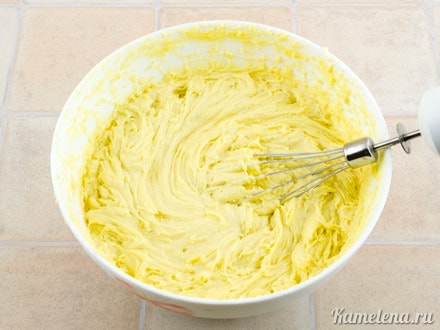
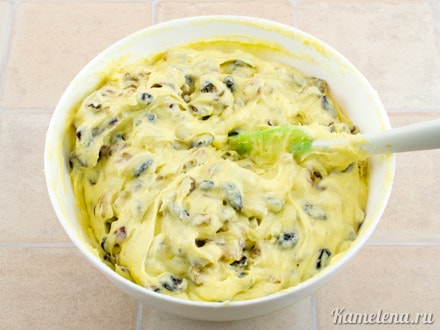
Now let's make the batter (use a large bowl). Beat the softened butter and sugar together until light and fluffy.
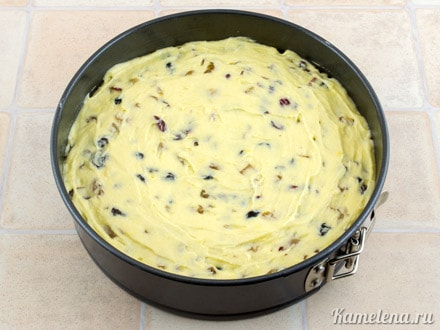
Grease your pan with butter (I used a 22 cm / 9-inch round pan). Spoon in the batter and smooth the top.
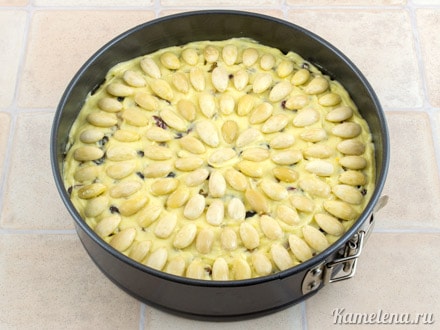
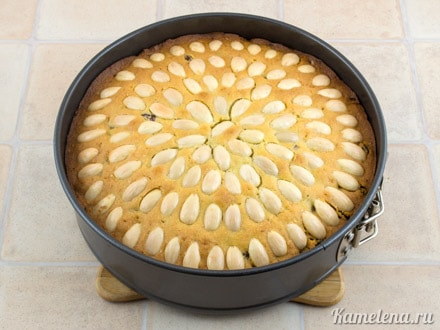
Arrange the remaining almonds in concentric circles over the surface of the batter. Bake in an oven preheated to 150°C for approximately 1 hour 10 minutes to 1 hour 20 minutes, or until a toothpick inserted in the center comes out clean.
Comments