
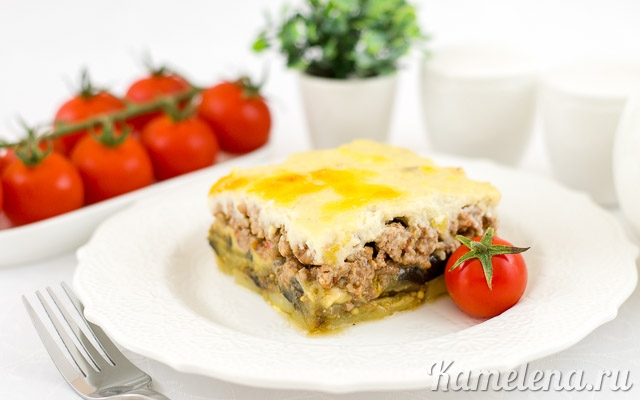
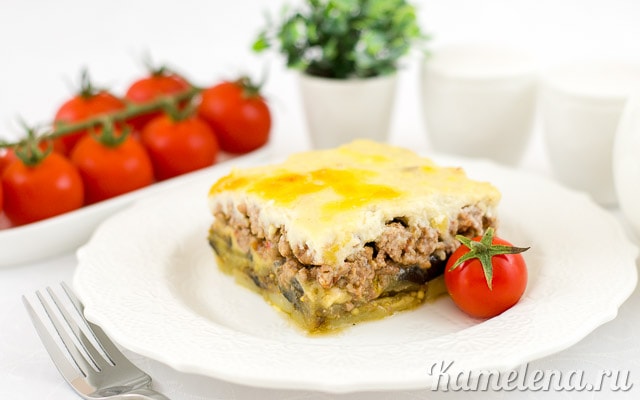
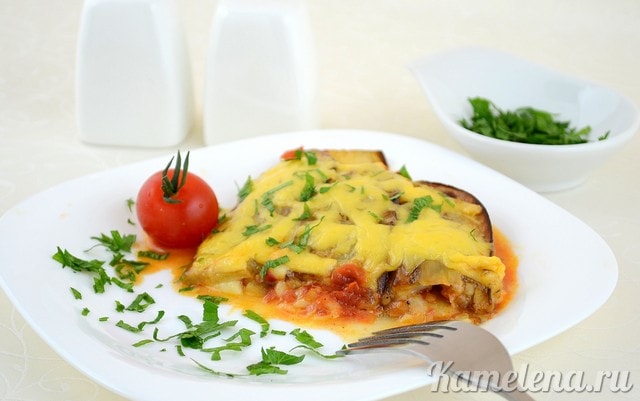
When good eggplant is in season, it's the perfect time to make one of the most delicious eggplant dishes out there. Moussaka is exactly that dish — there are many variations, but one of the most popular is Greek moussaka, and every cook makes it their own way. The main components are sautéed ground meat with tomatoes, fried eggplant, and Béchamel sauce. My baking dish is large, so I made quite a generous amount. The ground meat for moussaka should be fairly fatty — the dish needs to be juicy. I used anything but lean beef and pork neck, which I ground myself beforehand. The result was incredibly juicy, flavorful, and satisfying, and the sauce really shines in this dish. Sometimes an extra layer of sautéed zucchini and bell pepper is added, but to me that feels like overkill since moussaka already has so many components. P.S. This dish takes a while to prepare, so make sure to give yourself plenty of time!
Ingredients:
- 1000 g eggplant
- 800 g ground meat (+ oregano, cinnamon stick)
- 500 g potatoes
- 300 g tomatoes
- 200 g onion
- 200 g cheese
- salt, pepper
- vegetable oil for frying
- Béchamel Sauce:
- 800 ml milk
- 80 g butter
- 50 g flour
- 0.5 tsp nutmeg
- 4 eggs
- salt
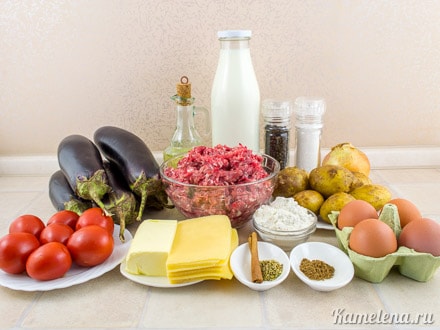
How to cook Greek moussaka
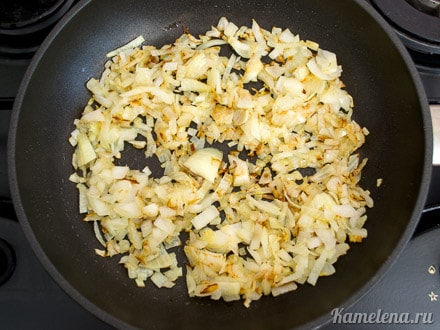
Remove the onion from the pan. Add about half of the ground meat to the pan. Cook for a few minutes, breaking the meat apart into small crumbles the whole time. Repeat with the second half of the ground meat. If you have a very large, deep pan you can cook it all at once — I found it easier to do it in two batches.
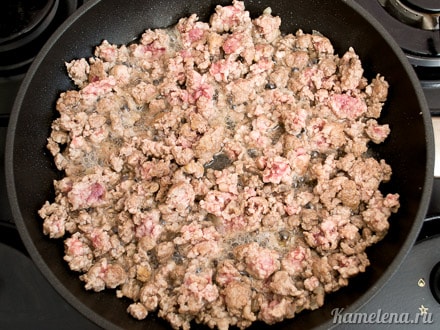
Return the ground meat and onion to the pan and add the tomatoes, grated on a box grater (grate the tomato on the large holes — the skin stays behind in your hand).
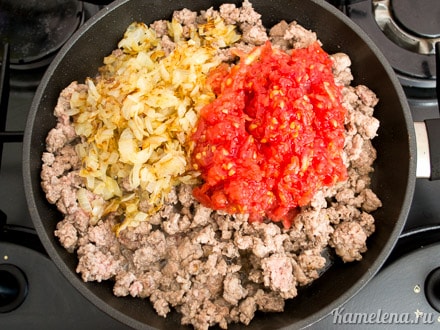
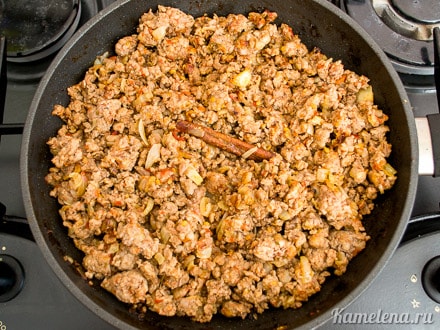
Season with salt, pepper, and oregano, add the cinnamon stick, and stir to combine. Don't let the cinnamon stick throw you off — it's a fairly common spice in Greek moussaka. If you don't have a stick, add just a tiny pinch of ground cinnamon. Simmer uncovered until fully cooked and all the liquid has evaporated. Once the liquid is gone, increase the heat and let the meat brown a little. The meat layer is ready.
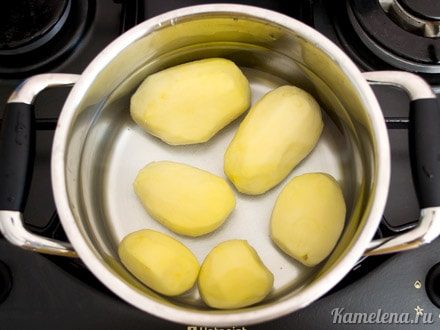
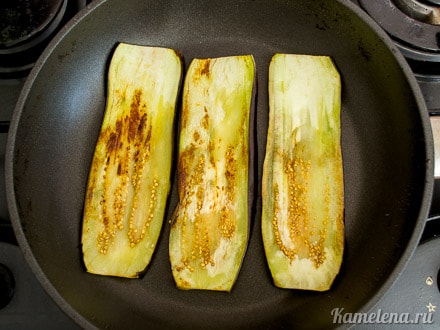
Prepare the eggplant. Slice the eggplant into rounds. If you think your eggplant might be bitter, salt the slices first, let them sit for 20–30 minutes, then drain off the liquid. Modern eggplant varieties are no longer bitter, though, so this step isn't really necessary — I just salted them and fried them right away. Heat a small amount of oil in a skillet over medium heat and fry the slices on both sides. Eggplant soaks up a lot of oil when frying, so I start with literally just a teaspoon of oil in the pan and add only the tiniest bit more when the pan looks completely dry. This way the eggplant comes out without being greasy.
Make the Béchamel sauce. Melt the butter in a saucepan, add the flour, and cook, stirring constantly.
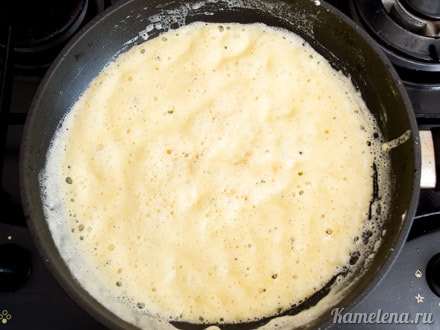
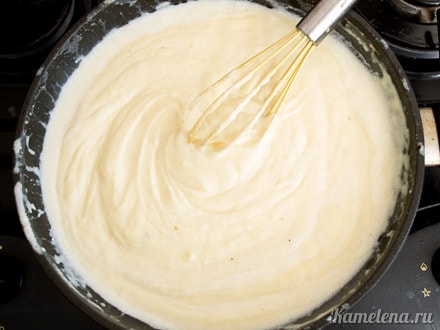
Gradually pour in the hot milk in portions, stirring vigorously after each addition. A whisk works best here. Add the nutmeg and salt. Let the sauce cool slightly, then whisk in the eggs.
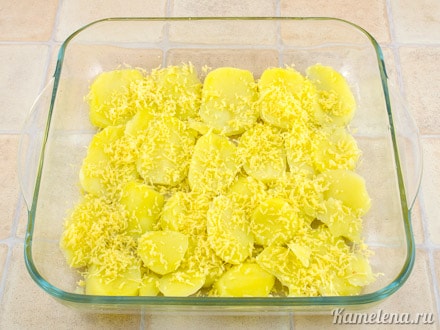
Assemble the moussaka. Prepare your baking dish (mine is 25 by 25 cm — you can even go slightly larger, because mine was packed to the brim). The dish should have fairly tall sides. Layer the sliced potatoes on the bottom and sprinkle with grated cheese.
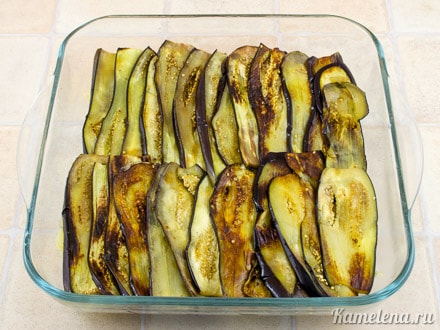
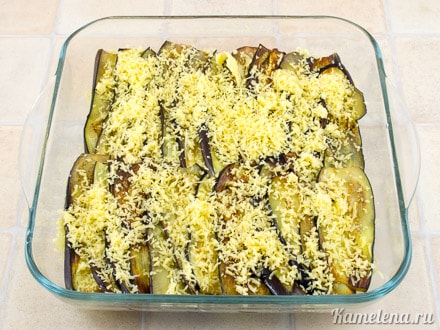
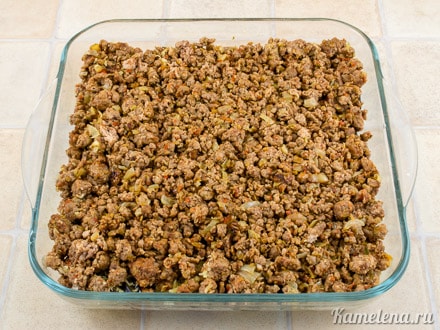
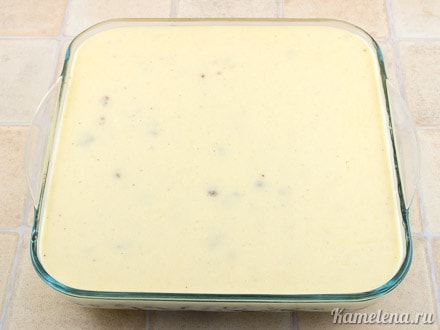
Bake in an oven preheated to 180°C for 20–40 minutes. Toward the end of baking, sprinkle the remaining cheese on top.
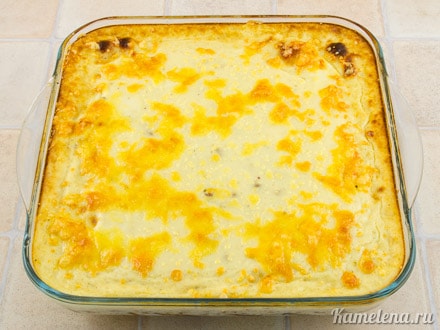
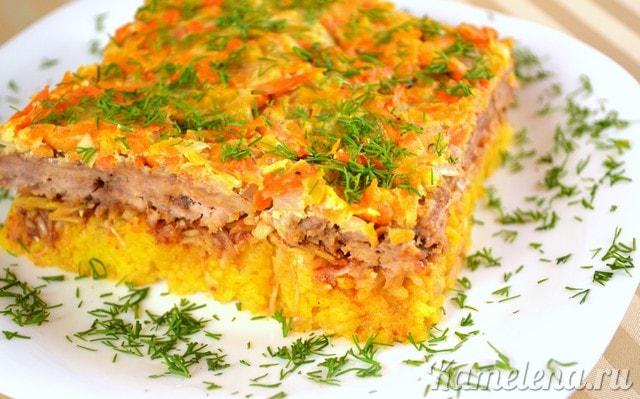
Serve the moussaka hot. Don't worry if it doesn't cut into perfect squares straight from the oven — that's completely normal. It only slices neatly once it has cooled. Moussaka is an incredibly delicious, hearty dish that, while not quick to make, has an absolutely phenomenal flavor that makes every bit of effort worthwhile. It's so good — I'm absolutely thrilled with how it turned out!))


Comments