
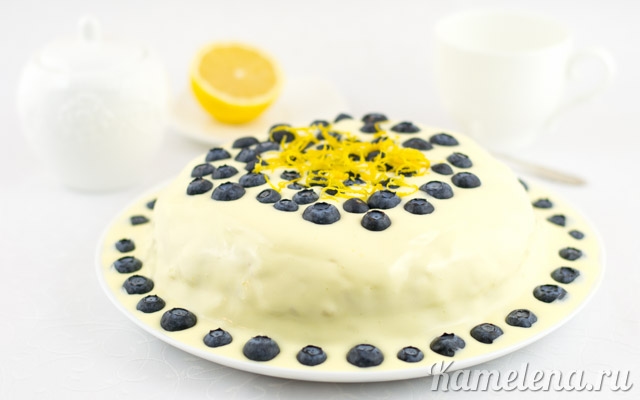
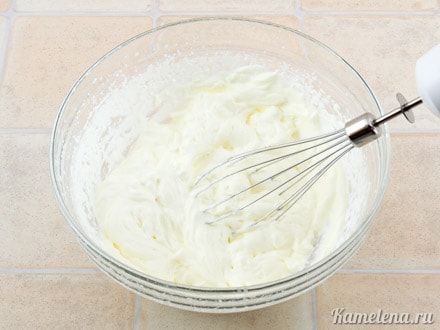
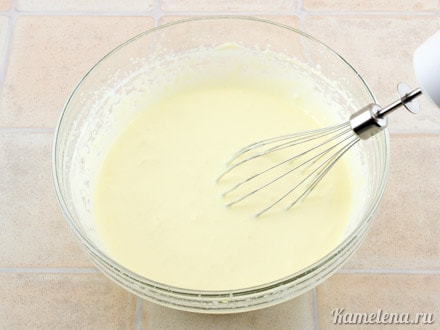
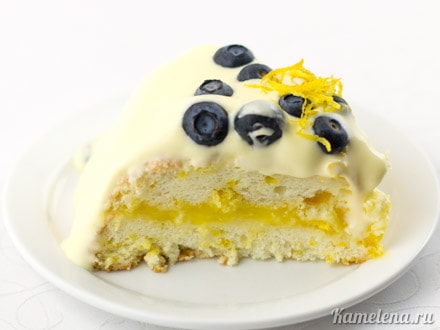
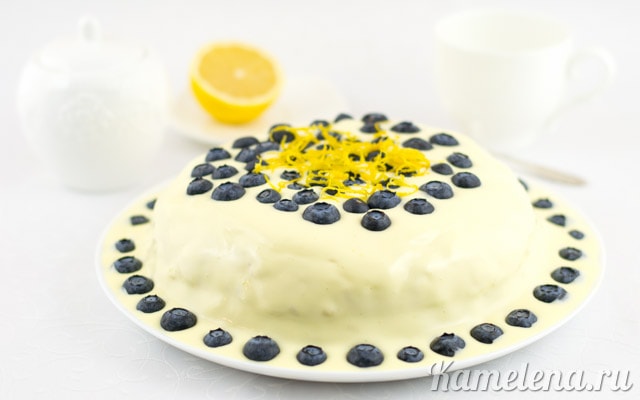
A delicate cake made with angel food sponge and a sweet-tart lemon cream, topped with blueberries. This cake is called "angel" because it's based on the so-called angel food sponge, which is made using only egg whites (this sponge is very popular in America). The sponge is incredibly tender, soft, and airy — it looks and feels similar to white sandwich bread, though it certainly doesn't taste like it. Since making this sponge leaves you with a lot of egg yolks, you need to find a use for them. What better place than the cream? That's exactly what I did, and the result was a wonderful lemon cream — just like in this recipe: Lemon Curd Tartlets (except made with yolks only, not whole eggs). To mellow out the bold flavor of the lemon curd and make it better suited for a cake, I folded in whipped cream and berries. One thing to keep in mind: the cream turns out fairly thin, because lemon curd has a high liquid content and thins out the whipped cream considerably when combined. As an option, you can add a whipped cream stabilizer to the cream to make it thicker and help it hold its shape better, or use a rimmed plate when assembling the cake to keep the cream from spreading too much. The cake turned out incredibly delicious — unbelievably tender, with a melt-in-your-mouth sweet-tart cream and a wonderful lemon aroma. The blueberries paired beautifully with the cake; however, if you don't have any, strawberries work great as a substitute. Or, if they're out of season, I think citrus fruits would work well — sweet oranges or tangerines.
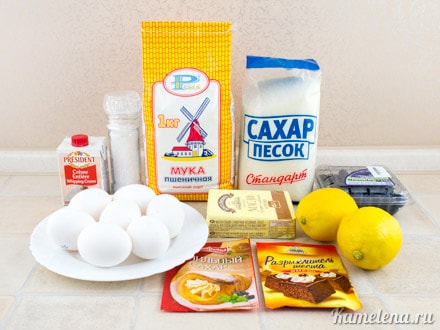
Ingredients:
- Sponge cake:
- 7 egg whites
- 70 g flour
- 140 g sugar
- 1 packet vanilla sugar (10 g)
- 1 tsp baking powder (level)
- zest of 1 lemon
- pinch of salt
- Cream:
- 2 lemons (≈150 ml juice + zest of 1 lemon)
- 5 egg yolks
- 50 g butter
- 150 g sugar
- 150 ml heavy cream (33-38%) + 2 tbsp sugar
- Also:
- 120 g blueberries (or strawberries, oranges, tangerines)
How to cook angel cake with lemon cream
Make the sponge cake. Separate the egg whites from the yolks (place the 5 yolks in a container and refrigerate — you'll need them later for the cream).
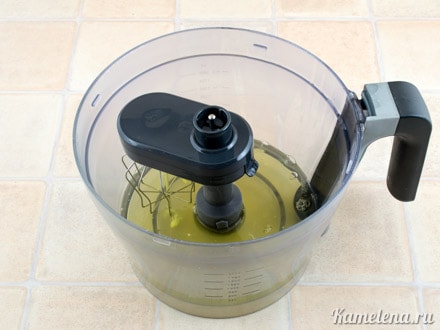
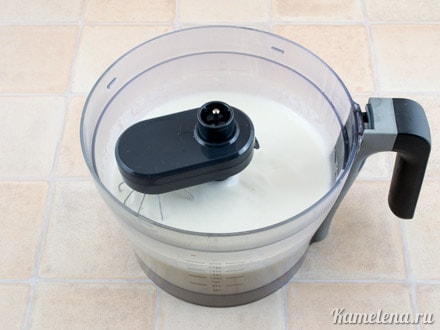
While continuing to beat, gradually add the regular sugar and vanilla sugar, and beat until stiff peaks form.
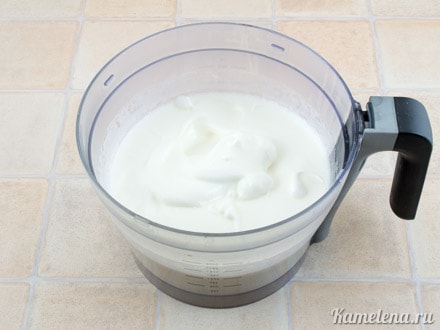
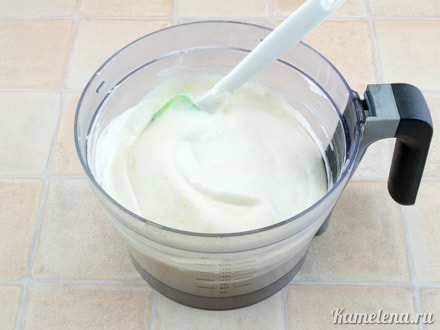
Zest the lemon using the finest side of a grater (avoid the white pith). Sift the flour together with the baking powder. Add the lemon zest to the beaten egg whites and gently fold together using an upward motion. Then add the sifted flour in portions, carefully folding with a spatula in an upward motion, being careful not to deflate the egg whites.
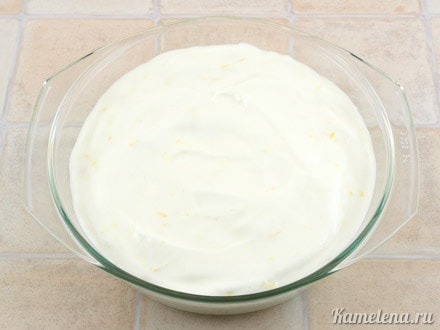
Transfer the batter to a clean, dry pan and gently smooth the top. You'll need a relatively small-diameter pan — mine is 20 cm in diameter. Baking an egg white sponge in a large pan is not recommended, as it may collapse under its own weight. Another good option is to bake it in a tube pan or a loaf pan. Very important: do not grease or dust the pan in any way. An egg white sponge rises in the oven by essentially "gripping" the sides of the pan. After removing it from the oven, it cools upside down — this keeps it from collapsing and helps it stay airy.
Place in an oven preheated to 180°C (350°F). Bake for about 35–40 minutes, or until a toothpick comes out clean. An egg white sponge takes a bit longer to bake than a regular one. Just as with a regular sponge, don't open the oven door before the time is up.
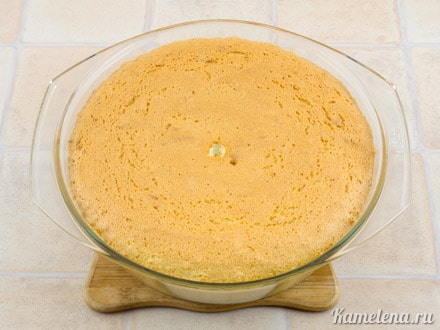
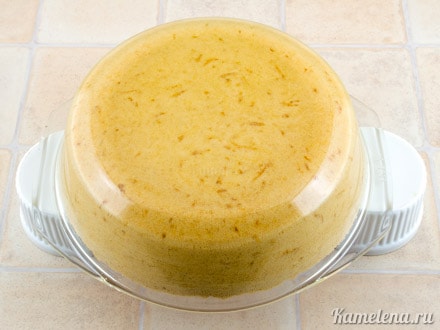
As soon as the finished sponge comes out of the oven, immediately flip it upside down. Set it on two inverted containers and leave it to cool completely — overnight if needed.
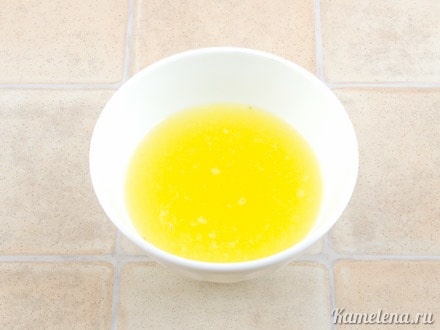
Make the lemon curd. Zest the second lemon using the fine side of a grater. Juice both lemons (you should aim for about 150 ml of juice).
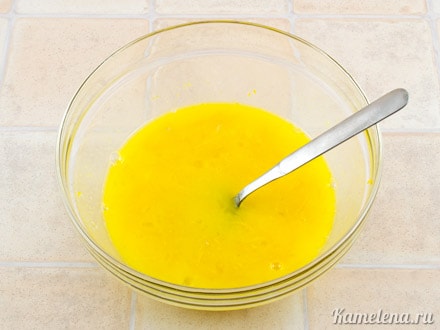
Add the sugar, lemon zest, and juice to the egg yolks and stir to combine. Let sit for 10–15 minutes to allow the sugar to dissolve and the zest to release its aroma.

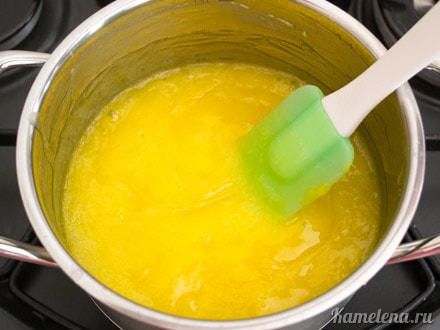
Once the mixture heats up, add the butter. Cook the cream until slightly thickened, until it coats the back of a spatula. Due to the high acid content, the egg yolks in the cream won't curdle even at a boil (as you can see in the photo). Let the finished cream cool completely.
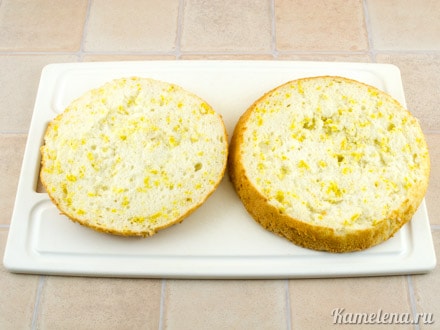
Remove the sponge from the pan by running a knife along the sides, essentially cutting it free from the pan. Then carefully slice it in half horizontally with a long sharp knife. It will be very soft, tender, and easy to compress — that's exactly how it should be.
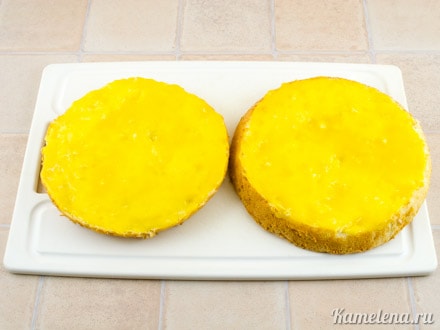
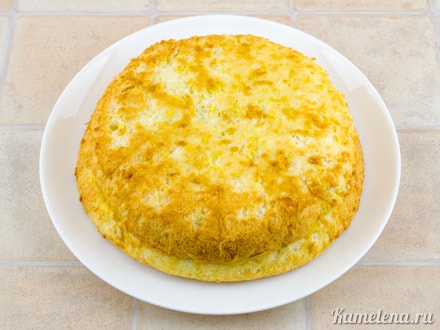
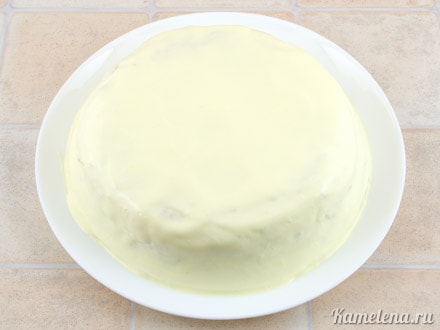
Frost the cake with about half of the lemon cream. Refrigerate the cake and the remaining cream for 30–60 minutes.




Comments