
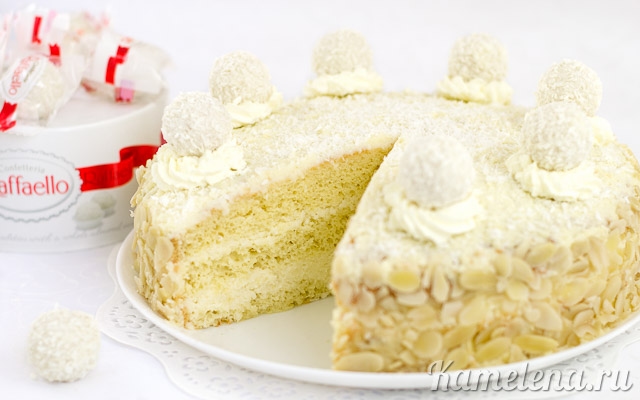
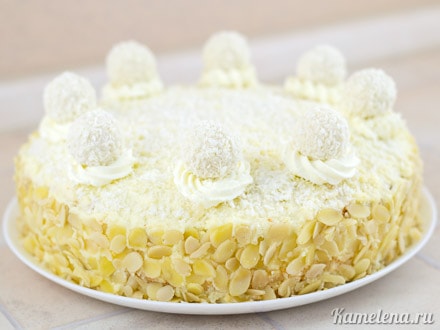
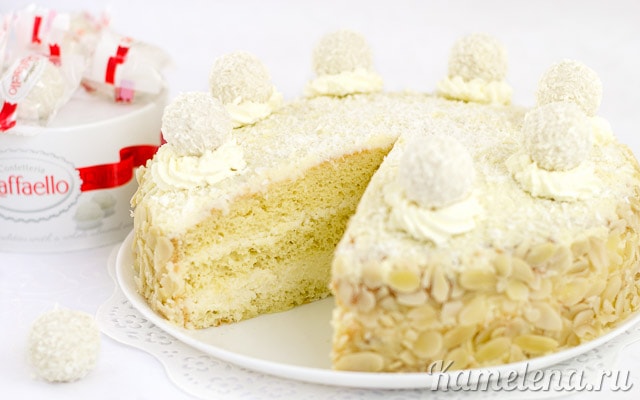
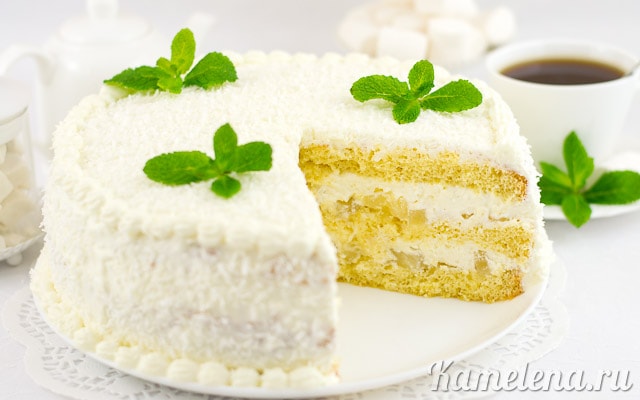
A delicate, satisfying, and absolutely delicious Raffaello Cake. I love the candies this cake is named after, so I'd been wanting to make a cake with a similar flavor for a long time — and finally, the right moment arrived. For this cake I used a simple sponge, but with the addition of starch and butter (the starch makes the sponge more tender, while the butter makes it more "moist"). This kind of sponge doesn't really need a soak, but I soak every sponge anyway because I love "juicy" cakes. For the cream I used a heavy cream base, but added a bit of cottage cheese — it makes the cream firmer and better suited to the dense shredded coconut in the filling and to this particular sponge. The flavor of melted white chocolate reminds me of those candies, so that's what I used in the cream. Theoretically you could substitute sweetened condensed milk, but only if white chocolate is hard to find — I'd still recommend the chocolate. The cake turned out absolutely delicious, exactly as I envisioned, and I'm 100% happy with the result. If you, like me, are a fan of shredded coconut, I highly encourage you to give this one a try!
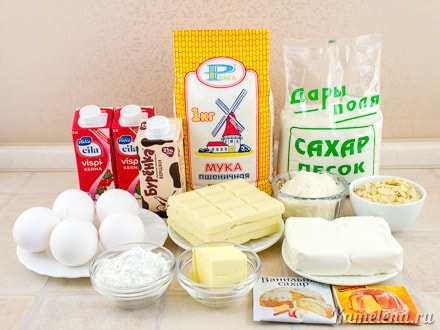
Ingredients:
- Sponge cake:
- 5 eggs
- 150 g sugar
- 100 g flour
- 30 g starch (I used cornstarch)
- 30 g butter
- 2 tsp vanilla sugar
- 1 tsp baking powder
- Soak:
- 100 ml water + 30 g sugar
- almond flavoring (optional, if available)
- Cream:
- 350 g heavy cream 30–38%
- 150 g cottage cheese (smooth, soft, not sour)
- 150 g white chocolate
- 100 g heavy cream 10–20%
- 100 g shredded coconut
- 50 g powdered sugar
- For decoration:
- sliced almonds
- shredded coconut
- 50 g heavy cream 30–38%
- candies
How to cook Raffaello cake
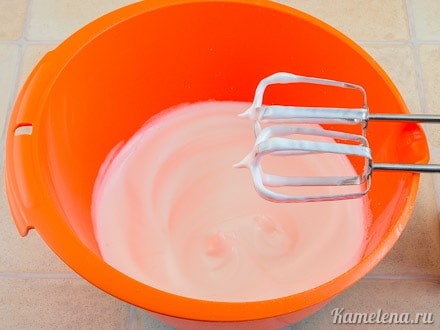
Separate the eggs into whites and yolks. Beat the whites thoroughly for 7–12 minutes or longer, gradually adding half the sugar, and beat until stiff peaks form.
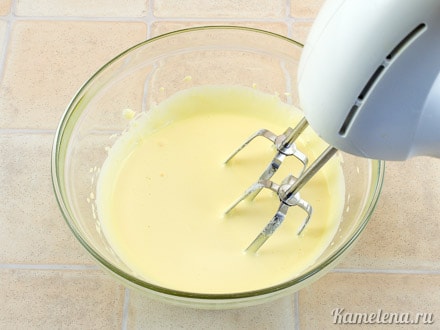
Beat the yolks thoroughly, gradually adding the remaining half of the sugar and the vanilla sugar, and beat until the mixture lightens significantly and increases in volume.
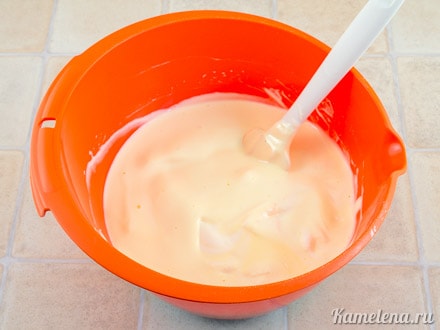
Sift the flour, starch, and baking powder together. Add the dry mixture to the eggs in batches, each time carefully folding it in with bottom-to-top strokes, taking care not to deflate the batter.
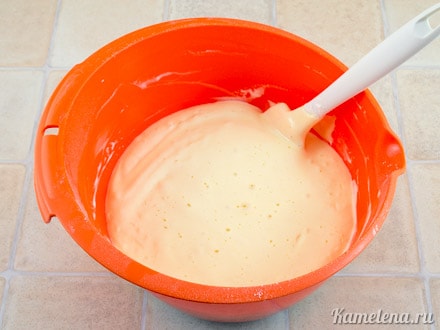
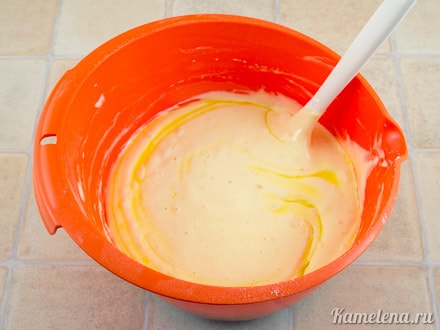
Then add the melted and cooled butter in two or three additions. Pour it in carefully along the edge of the bowl, folding it in gently — do not overmix.
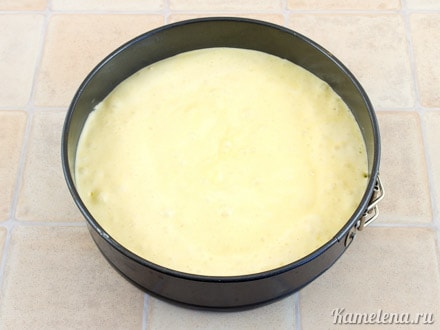
Grease the bottom of your pan (I use a 22 cm pan) with butter or line it with a round of parchment paper. Do not grease the sides — the sponge will rise by "gripping" the walls. Transfer the batter and gently smooth it out with a spatula. Bake in an oven preheated to 180°C (350°F) for approximately 20–30 minutes, or until a skewer inserted in the center comes out clean.
Remove the finished sponge from the oven and immediately flip it upside down onto two overturned bowls or onto a wire rack. Leave it like this until completely cool — this prevents the sponge from sinking.
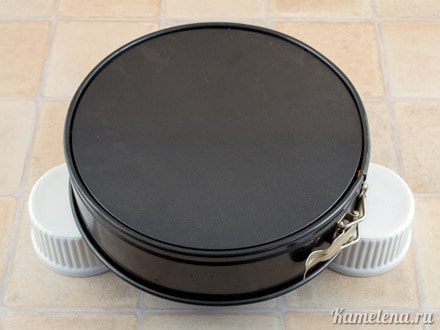
Carefully run a knife along the edge of the pan and remove the sponge. It's best to let the sponge rest on a wire rack for several hours so it holds its shape better and slices more cleanly. Or leave it overnight and assemble the cake the next day (in that case, wrap the sponge in a plastic bag).

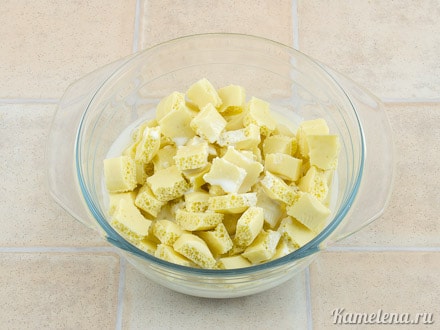
Melt into a smooth mixture — I do this in the microwave, but you can also use a double boiler. Let it cool completely; ideally, refrigerate it for an hour or two until thickened.
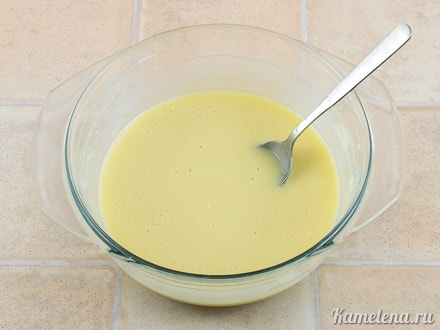
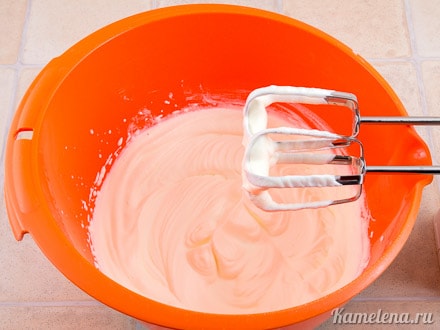
Add the cottage cheese to the chocolate mixture and beat them together well. The cottage cheese must be smooth and soft. If you're not sure yours is smooth enough, press it through a fine-mesh strainer or sieve first.
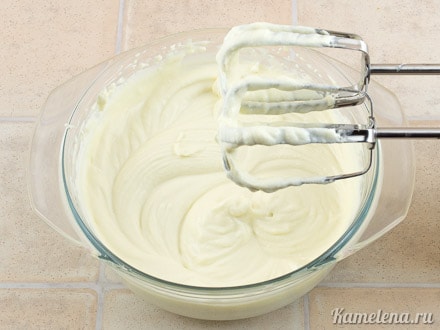
Add the chocolate-cottage cheese mixture to the whipped cream and gently fold together with a spatula.
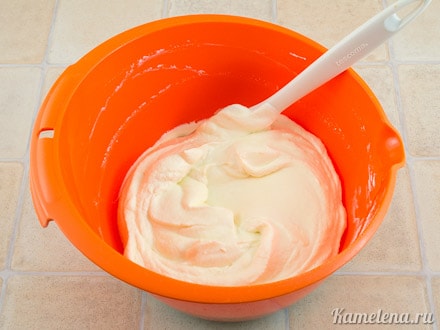
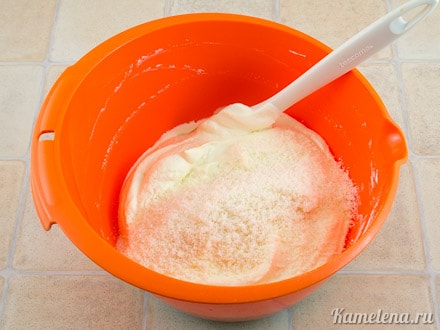
For the soak, dissolve the sugar in hot water and let it cool completely (it's best to do this ahead of time). If you have almond flavoring on hand, you can add some — just be careful with it; I added literally two drops, which was more than enough. Assemble the cake. Slice the sponge into three layers.
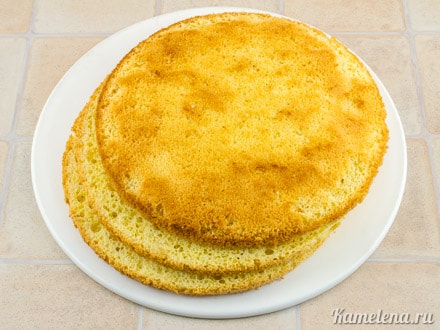
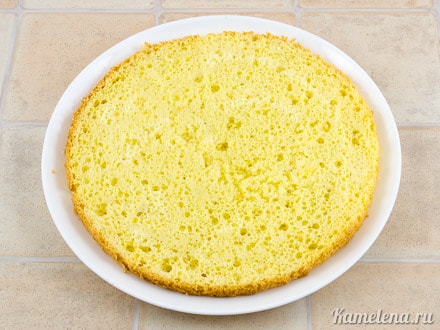
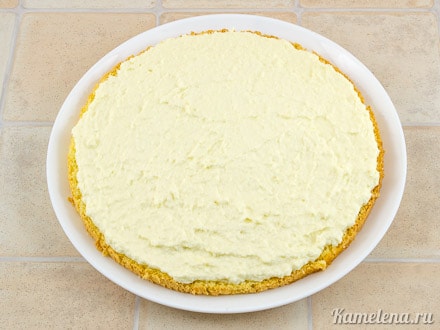
Place the second layer on top, brush with soak, and cover with cream. Place the last layer on top, brush with soak as well, and cover the top and sides of the cake with the remaining cream.
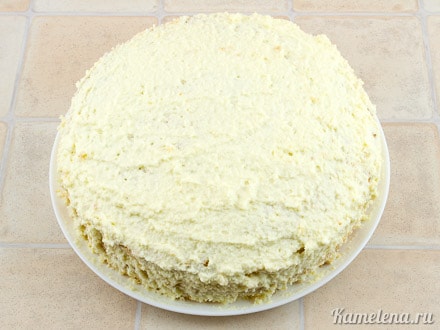
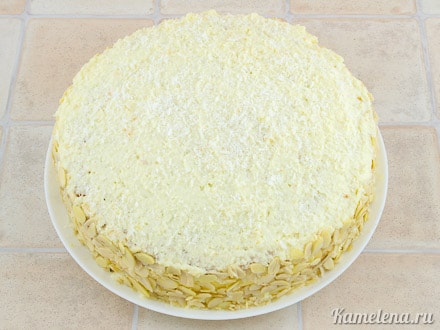
Decorate as you like. I sprinkled the top with shredded coconut and pressed sliced almonds onto the sides (you can also use finely chopped blanched almonds instead). Refrigerate the cake for at least 4–6 hours to let it soak through, but overnight is best.
Comments