
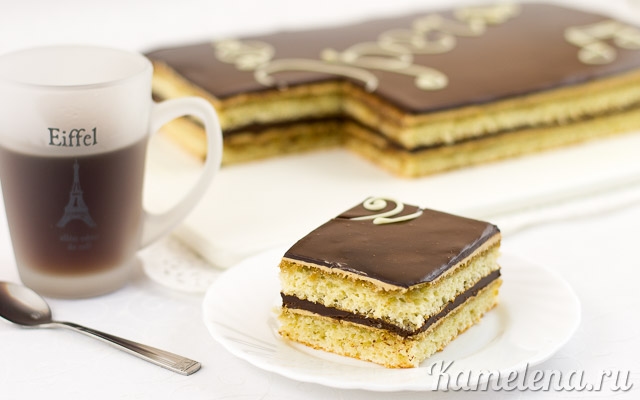
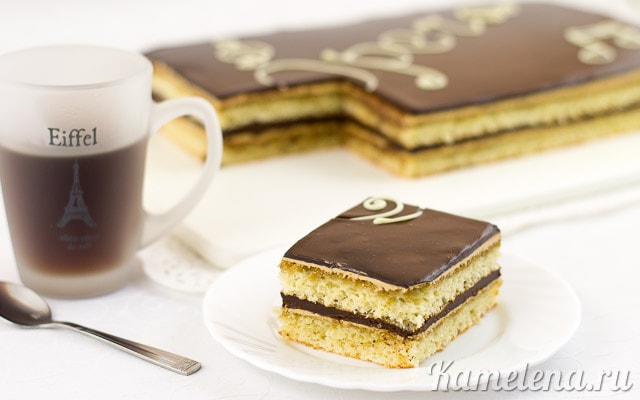
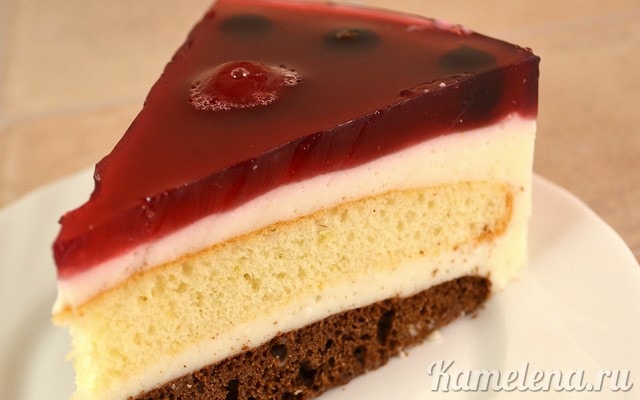
The classic French Opera cake is made up of almond sponge, coffee buttercream, dark chocolate ganache, and a cocoa-based glaze. I'll be honest — this cake isn't the easiest, especially compared to other cakes on my blog. But if you compare it to other French cakes, some of which have 10–15 different layers, textures, and flavors, Opera cake is actually quite manageable — at least the version I'm sharing here. I've simplified and adapted the process as much as possible and worked out clear proportions so you can make this French masterpiece right at home. The cake is absolutely delicious — the sponge is tender, slightly springy, with a mild nutty flavor; the cream has a lovely, gentle coffee taste. The ganache adds a pleasant hint of chocolate bitterness, and the glaze gives the cake a polished, finished look. The result is simply stunning! If you have almond flour on hand, things are even easier; if not, you can make it yourself from almonds. I used regular instant coffee. Everything else is covered in detail in the recipe below. The finished cake is approximately 30x18 cm, about 5–6 cm tall.
Ingredients:
- Joconde Sponge:
- 150 g almond flour (or ≈200 g almonds)
- 170 g sugar
- 50 g flour
- 30 g butter
- 4 eggs + 4 egg whites
- 80 ml water + 40 g sugar + 1 tbsp coffee (for soaking syrup)
- Coffee Buttercream:
- 130 g butter
- 70 g sugar
- 50 ml water
- 2 egg yolks
- 1 tbsp coffee + 1 tbsp water
- Ganache:
- 150 g chocolate (≈56%)
- 100 g heavy cream (20%)
- 50 g butter
- Glaze:
- 200 g heavy cream (20%)
- 120 g sugar
- 30 g cocoa
- 1/2 packet gelatin (5 g) + 3 tbsp water
- 1/4 bar white or dark chocolate (for decoration)
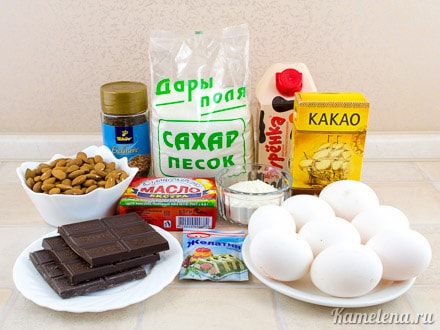
How to cook Opera cake
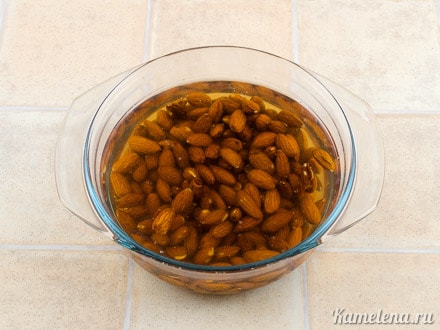
Prepare the almond flour. Cover the almonds with boiling water and let them soak for 5 minutes, then slip off the skins.
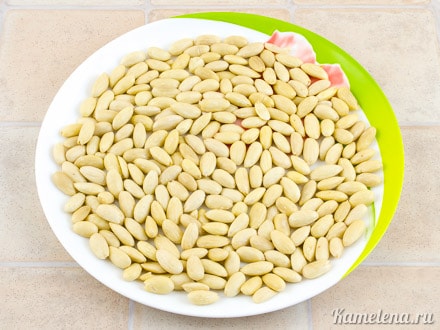
Dry the almonds in the oven at 80–100°C (175–210°F) for about 30–60 minutes, or let them air-dry at room temperature (1–2 days). This step is essential — if the almonds are moist, you won't be able to grind them as finely as needed.
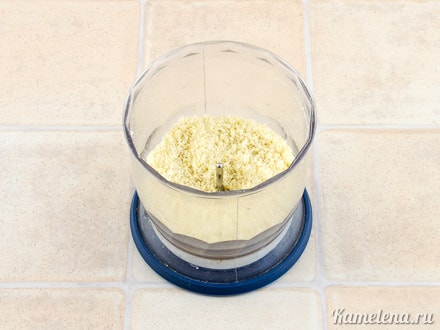
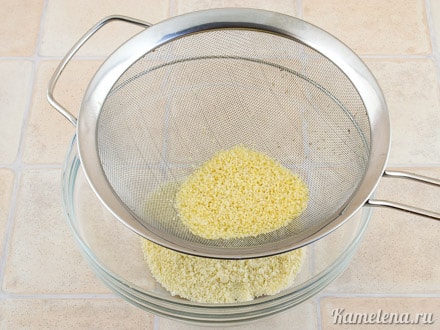
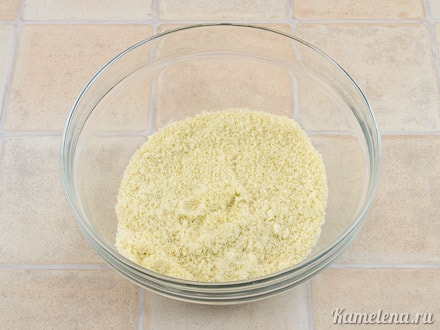
Grind the almonds into a very fine meal using a food processor or coffee grinder. Work in small batches, shaking the grinder occasionally.
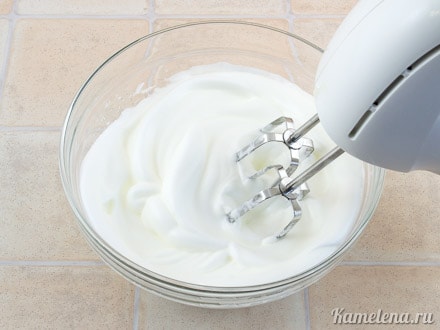
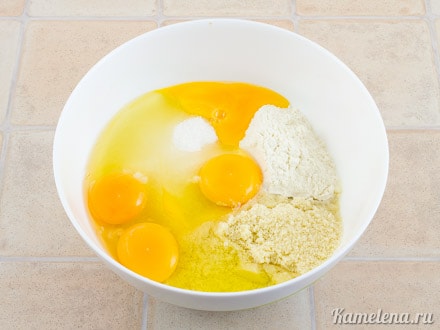
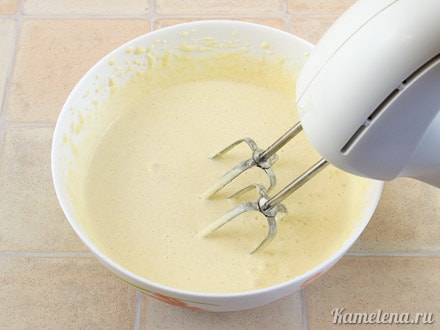
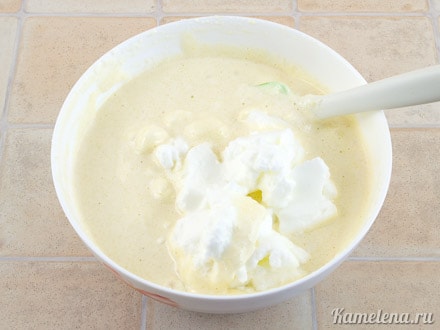
Fold in the beaten egg whites in batches, using a spatula with gentle bottom-to-top strokes, being careful not to deflate the mixture.

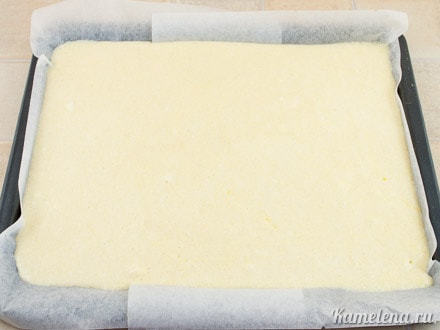
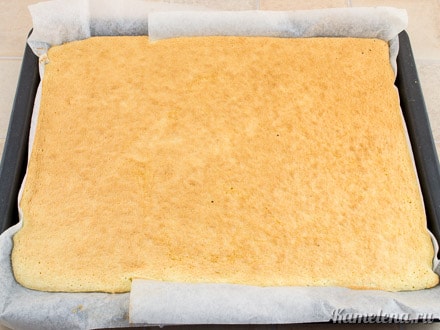
Pour the batter onto a baking sheet lined with parchment paper. Bake in an oven preheated to 200°C (400°F) for about 15–20 minutes, or until golden.
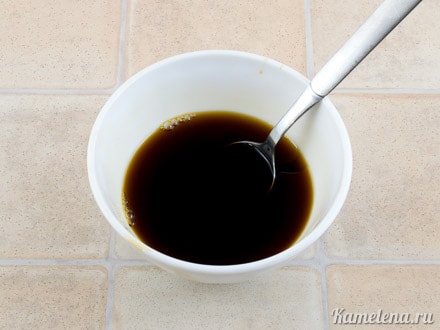
Make the soaking syrup. Dissolve the coffee in the hot water, add the sugar, and stir. Let it cool completely.
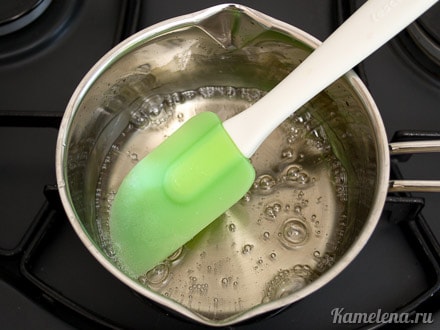
Make the coffee buttercream. Dissolve 1 tbsp of coffee in 1 tbsp of hot water. Stir well until completely dissolved, then let it cool. In a heavy-bottomed saucepan, combine 70 g of sugar with 50 ml of water. Bring to a boil over medium heat and cook the syrup until it reaches 110°C (230°F), or about 5 minutes over medium heat.
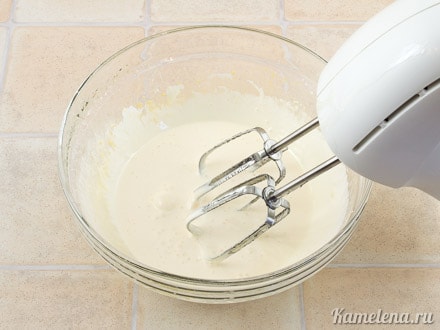
While the syrup is cooking, beat the egg yolks with a mixer until foamy. Then, with the mixer running, pour the boiling syrup into the yolks in a thin, steady stream. Continue beating until the mixture is smooth and uniform. Let it cool.
Add the softened butter and the coffee mixture in stages, beating until smooth and creamy. The buttercream is ready — refrigerate it until needed.
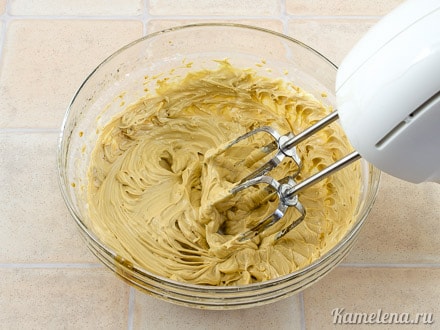
Make the ganache. Break the chocolate into pieces and place in a bowl. Heat the heavy cream until very hot, then pour it over the chocolate.
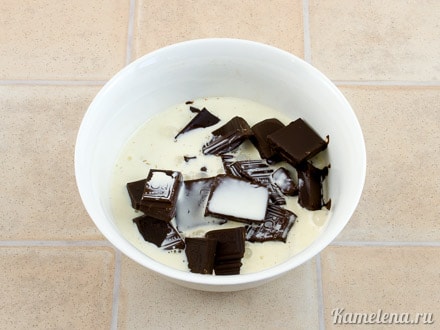
Begin stirring — the mixture will look uneven at first. Keep stirring vigorously until it becomes completely smooth, glossy, and shiny. Add the pieces of butter and stir until fully incorporated. Let it cool completely, then refrigerate until needed.
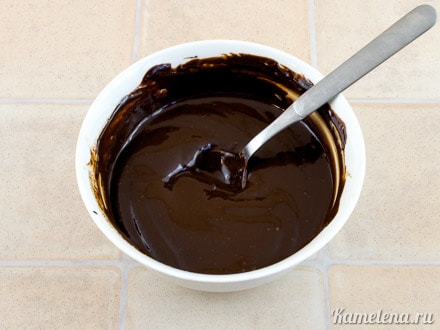
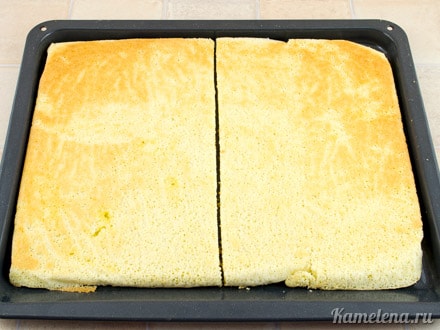
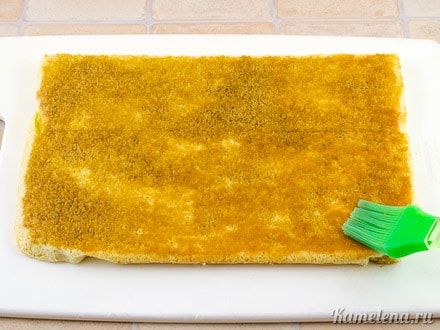
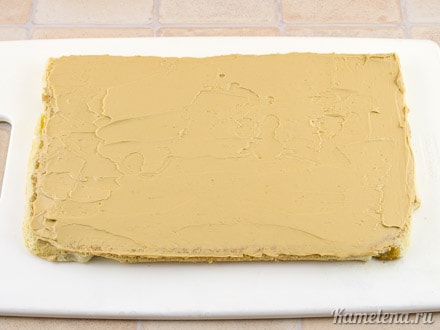
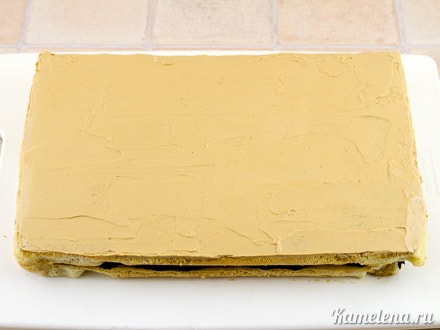
Spread all of the ganache onto the second layer, smoothing it out evenly with a spatula (apply it to the non-porous side).
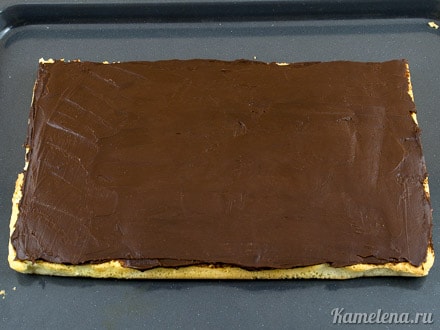
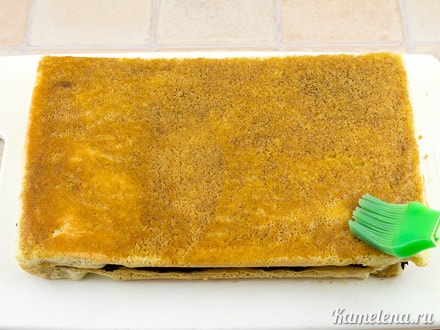
Carefully flip the second layer onto the first (the buttercream and ganache will meet in the middle). Evenly brush the top of the second layer with the remaining coffee soaking syrup.
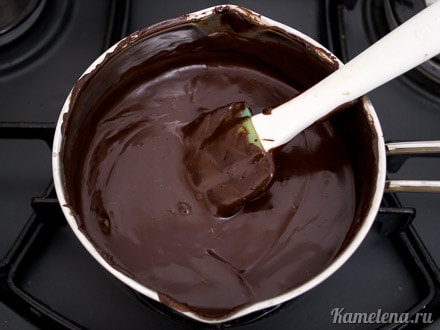
Make the glaze. Bloom the gelatin in water and let it sit for 10 minutes (or as directed on the package). In a heavy-bottomed saucepan, combine the heavy cream, sugar, and cocoa. Stirring constantly, bring the mixture to a boil and let it cook at a gentle boil for one minute, until slightly thickened. Let it cool slightly, then add the bloomed gelatin and stir until fully dissolved. Let the glaze cool completely. This is important — if the glaze is warm or hot, it may melt the buttercream.
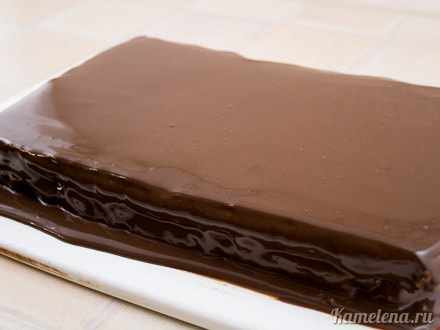
Pour the glaze evenly over the surface of the cake without spreading or smoothing it. The glaze will flow on its own and create a perfectly smooth, glossy surface. Refrigerate until the glaze is fully set.
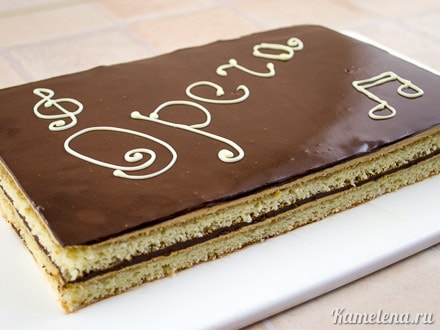
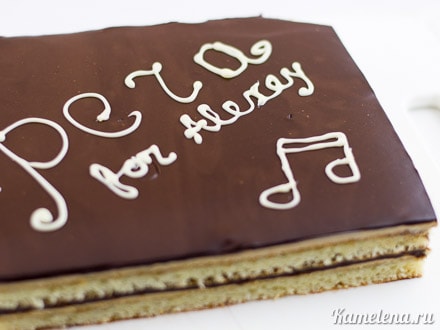
Melt the white or dark chocolate (I melted mine in the microwave). Transfer it to a small zip-lock bag, snip off a tiny corner, and pipe the word "Opera" onto the cake. The cake can be served as is.
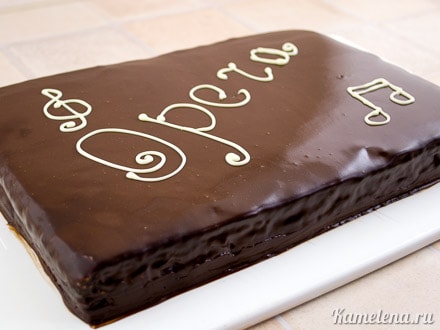
Traditionally, however, this cake is served with the sides trimmed to show the layers — it looks much more impressive that way. To do this, use a thin, sharp knife warmed in hot water to carefully trim about 1 cm off each edge, wiping the knife clean after each cut.
Comments